
Patients researching hyperbaric oxygen therapy often notice significant price differences among providers. Some facilities advertise low-cost sessions in a wellness hyperbaric chamber, while others charge considerably more for medical HBOT treatments. This pricing gap can be confusing, especially for individuals seeking care for neurological conditions, injury recovery, wound healing, or other health concerns.
Understanding why medical-grade hyperbaric oxygen therapy costs more than wellness chambers in Chicago requires looking beyond the advertised session price. The chamber itself, treatment pressure, oxygen delivery system, physician involvement, and safety standards all influence the cost of care.
When evaluating HBOT Chicago providers, it is important to compare treatment value rather than focusing solely on the lowest price. Chamber type, pressure levels, oxygen delivery, and medical oversight can all affect the patient experience and treatment approach.
Why Hyperbaric Oxygen Therapy Costs Vary So Much
Chamber Costs
One of the largest factors affecting HBOT cost is the technology used during treatment. Medical-grade systems are designed to deliver treatment under specific pressure conditions while providing patients with 100% oxygen.
These chambers require ongoing maintenance, specialized equipment, safety testing, and trained personnel. Operating costs are substantially higher than those associated with basic wellness chamber services.
Facility Type
The difference between medical-grade and wellness hyperbaric oxygen chambers often begins with the facility itself. Medical centers typically follow clinical protocols and may evaluate patients before treatment begins.
Wellness-focused centers often offer sessions designed for general recovery, relaxation, or performance. Their operating model can differ significantly from a medical HBOT program.
Medical Oversight
Medical-grade hyperbaric oxygen therapy commonly involves physician oversight and clinical monitoring. Healthcare professionals may review medical history, evaluate treatment suitability, monitor progress, and adjust protocols when needed.
This additional level of care contributes to the cost of hyperbaric oxygen therapy in Chicago clinics that provide medical services.
Treatment Plans
Hyperbaric treatment plans can vary based on the condition being addressed. Some patients may undergo a limited number of sessions, while others may require an extended treatment schedule.
The total investment depends not only on the per-session price but also on the number of treatments recommended.
Also Read: Medical Hyperbaric Therapy for Brain Longevity: Why HBOT Is Essential for a Healthy Brain for Life
What Defines a Medical-Grade Hyperbaric Oxygen Chamber?
Hard-Shell Design
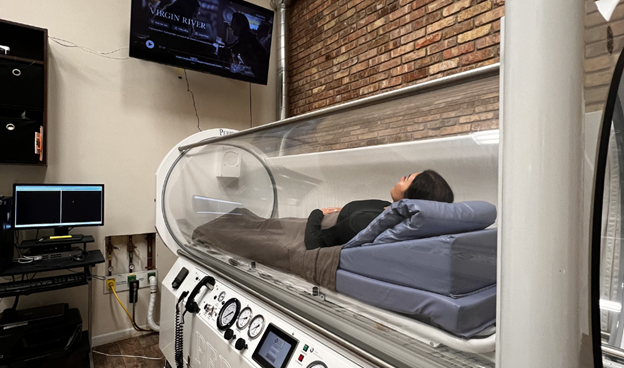
A key factor in medical HBOT vs. wellness HBOT differences explained is the type of chamber being used. A medical-grade hyperbaric chamber is typically a hard-shell unit designed to deliver 100% oxygen during treatment.
These systems are engineered for clinical applications and are commonly found in hospitals and specialized medical facilities.
Higher Pressure
Another feature that helps answer the question of what makes a hyperbaric chamber medical-grade is its pressure capability.
Medical HBOT generally operates at higher pressure levels than wellness hyperbaric chambers. Patients often ask why hard-shell hyperbaric chambers are more expensive than soft chambers. Hard-shell systems are designed to support higher treatment pressures, medical oxygen delivery, and clinical monitoring requirements.
Physician Supervision
Medical-grade programs commonly include physician supervision, patient assessments, and ongoing monitoring throughout treatment.
This level of oversight can be particularly important for patients with complex medical histories or those receiving treatment for neurological and healing-related conditions.
Conditions Treated
Medical HBOT may be incorporated into treatment plans for a variety of conditions, including chronic wounds, neurological concerns, traumatic injuries, and tissue-healing challenges.
Because these patients often require individualized care, treatment is typically managed within a clinical framework.
What Are ‘Wellness Chambers’?
Soft Chambers
Wellness hyperbaric chamber services often use soft-sided chambers, sometimes called mild hyperbaric chambers.
These chambers are generally designed for lower-pressure operation and are frequently marketed toward recovery and wellness audiences.
Lower Pressure
One of the most significant differences between medical-grade and wellness hyperbaric oxygen chambers is the pressure level achieved during treatment.
Medical chambers can reach pressures commonly used in clinical protocols, whereas wellness chambers generally operate at substantially lower levels.
Wellness Focus
Many wellness centers position oxygen therapy sessions as part of a broader recovery or lifestyle program.
Services may be promoted for relaxation, athletic recovery, energy support, or general wellness rather than physician-directed medical care.
Marketing Claims
Patients comparing providers may encounter a wide range of claims regarding recovery, performance, and wellness benefits.
Because chamber designs and treatment parameters vary, it is important to understand exactly what type of hyperbaric treatment is being offered before making comparisons.
Comparing Costs: Medical HBOT vs. Wellness Chambers
Medical HBOT Pricing
Medical-grade hyperbaric oxygen therapy costs more because facilities must invest in specialized chambers, medical staffing, safety systems, facility compliance, and physician oversight.
Pricing may reflect both the treatment session and the clinical services provided before, during, and after care.
Wellness Pricing
Wellness chamber sessions are often offered at lower prices because the chambers are generally less expensive to operate and may not involve medical supervision.
Patients may find significantly lower advertised session rates compared to medical HBOT programs.
Why Prices Differ
Many patients ask, “Why does medical-grade hyperbaric oxygen therapy cost more than wellness chambers?”
Differences in chamber pressure, oxygen concentration, safety standards, and clinical oversight can result in very different treatment environments. This is one reason why medical-grade hyperbaric oxygen therapy costs more than wellness chambers in Chicago.
Many patients also ask, “How much does hyperbaric oxygen therapy cost in Chicago?” Pricing varies depending on the chamber type, physician involvement, treatment protocol, and the number of sessions recommended.
Another common question is, “Why are hyperbaric oxygen therapy sessions so expensive?” Medical facilities invest in hard-shell chambers, clinical staffing, safety systems, and physician oversight, all of which contribute to treatment costs.
Questions to Ask
Before comparing costs, patients should ask:
- What type of chamber is being used?
- What pressure levels are reached?
- Is 100% oxygen delivered?
- Is a physician involved in treatment planning?
- What conditions are commonly treated at the facility?
These details provide a more accurate basis for evaluating value.
Also Read: Medical Hyperbaric Therapy and the Astroglial System: How HBOT Supports Brain Repair
Looking Beyond the Price Tag
Treatment Pressure
Pressure is one of the most important distinctions between chamber types. Patients should verify the treatment pressure delivered rather than relying solely on marketing language.
Oxygen Delivery
The oxygen delivery system can vary considerably between facilities. Medical-grade HBOT typically delivers 100% oxygen under pressure, unlike many wellness chamber setups.
Safety Standards
Medical oversight provides an added level of monitoring and accountability during treatment. Facilities offering medical HBOT generally follow established safety procedures and clinical standards.
Treatment Purpose
Patients should consider whether they are seeking wellness-focused services or treatment within a medical setting.
Some patients ask, “What is the difference between medical and wellness hyperbaric chambers?” The answer often involves differences in pressure levels, oxygen delivery, chamber construction, and physician involvement.
Matching the Chamber
Some patients also ask, “Is medical HBOT more effective than wellness chambers?” The answer depends on the condition being addressed and the required treatment parameters. Understanding the differences between chamber types can help patients make informed decisions.
When Medical-Grade HBOT May Be Worth the Higher Cost
Neurological Conditions
Many patients seeking medical HBOT are looking for support as part of a broader neurological care plan
Brain Injury Recovery
Individuals recovering from traumatic brain injuries or concussions may seek physician-guided treatment plans that include detailed evaluations and ongoing monitoring.
Stroke Recovery
Stroke recovery often requires coordinated care involving multiple healthcare professionals. Medical-grade HBOT may be incorporated into a structured rehabilitation approach when appropriate.
Wound Healing
One recognized application of hyperbaric oxygen therapy is supporting wound healing and tissue repair under medical supervision.
Physician-Guided Care
Patients with complex health histories often benefit from individualized evaluation and oversight. This clinical involvement is one reason medical HBOT programs generally carry higher costs.
When patients ask, “What are the benefits of medical-grade HBOT?” common considerations include physician supervision, higher treatment pressures, medical oxygen delivery, structured treatment plans, and ongoing clinical monitoring. These factors contribute to the broader benefits of medical-grade hyperbaric oxygen therapy for patients seeking care within a medical setting.
Questions to Ask Before Choosing an HBOT Provider in Chicago
- What type of chamber do you use?
- What pressure levels does the chamber reach?
- Is treatment supervised by a physician?
- Is oxygen delivered at medical-grade concentrations?
- What conditions do you regularly treat?
Patients should also ask about insurance coverage for hyperbaric oxygen therapy in Chicago, as coverage may vary depending on the condition being treated and individual insurance requirements.
Also Read: The Science of Neuroplasticity: How Hyperbaric Oxygen Repairs the Brain
Why Choose Chicago Neurological Services for Hyperbaric Oxygen Therapy?
Not all hyperbaric oxygen therapy providers offer the same treatment environment, level of oversight, or chamber technology. For patients comparing medical-grade HBOT options in Chicago, it is important to look beyond session pricing and understand the experience, equipment, and clinical standards behind the treatment.
Medical-Grade Hyperbaric Chambers
Chicago Neurological Services utilizes FDA-approved hard-shell hyperbaric chambers that are the same type of chambers used in major hospitals. These chambers are designed to deliver medical-grade hyperbaric oxygen therapy while meeting strict federal and local safety standards.
Comfortable, Spacious Treatment Environment
Many patients are concerned about feeling confined during treatment. Unlike smaller chamber designs, our chambers are constructed with clear plexiglass walls and measure approximately seven feet long and 36 inches wide. The spacious design helps many patients feel more comfortable during treatment and minimizes concerns about claustrophobia.
The Only Certified Hyperbaric Center of Its Kind in Chicago
Chicago Neurological Services is the only certified center of its kind in the Chicago area, providing patients access to medical-grade hyperbaric oxygen therapy within a specialized neurological care environment.
Collaboration With Physicians, Surgeons, and Professional Sports Organizations
Our team regularly works alongside surgeons, healthcare providers, and professional sports organizations as part of broader treatment and recovery programs. Because of our expertise and specialized capabilities, we are frequently involved in clinical studies, research initiatives, and treatment evaluations.
Open Seven Days a Week
Access to care can be an important consideration for patients undergoing treatment. Chicago Neurological Services is open seven days a week to help accommodate a variety of treatment schedules.
Insurance Coverage for Eligible Conditions
While insurance coverage varies depending on the diagnosis and treatment plan, some medical conditions may qualify for insurance-covered hyperbaric oxygen therapy. Our team can help patients understand potential coverage options and eligibility requirements during the evaluation process.
Focused on Safety, Compliance, and Clinical Oversight
Hyperbaric oxygen therapy is more than simply sitting inside a chamber. Proper patient evaluation, medical oversight, chamber safety protocols, and treatment monitoring all play important roles in the overall treatment experience. Our commitment to these standards helps ensure patients receive care within a medically supervised environment.
Conclusion
The lowest-priced HBOT option is not always the strongest value. When comparing providers, patients should understand exactly what is included in the treatment cost, including chamber type, oxygen delivery, pressure levels, physician oversight, and safety procedures.
While wellness chamber sessions may have lower upfront costs, they may differ significantly from medical-grade hyperbaric oxygen therapy in treatment parameters and clinical involvement.
For patients seeking physician-guided care, higher treatment pressures, and medical supervision, choosing a medical-grade facility can influence treatment goals, safety considerations, and the treatment experience.
If you are exploring hyperbaric oxygen therapy and want to learn more about medical-grade HBOT in the Chicago area, contact Chicago Neurological Services to discuss available treatment programs.