
Neuro Physical Therapy for Dizziness, Balance Problems, and Vestibular Disorders
Last Updated: October 6, 2026
Persistent dizziness, vertigo, unsteadiness, and balance problems can make ordinary activities feel unpredictable. Driving, walking through a store, turning your head, or simply standing up can become sources of anxiety and exhaustion.
Neuro physical therapy for vestibular disorders is a specialized rehabilitation approach that uses neuroplasticity-based exercises to retrain how the brain, eyes, inner ear, and body process spatial information. By progressively challenging visual, vestibular, and sensory systems, treatment can improve gaze stability, balance, motion tolerance, and functional movement.
At CNS Brain Center, functional neurology and neuro-rehabilitation are combined with specialized diagnostic testing to identify patterns of dysfunction and develop an individualized rehabilitation strategy.
If dizziness or balance problems continue to interfere with your daily life, a comprehensive functional neurology examination and vestibular evaluation can help clarify what systems may be contributing to your symptoms.
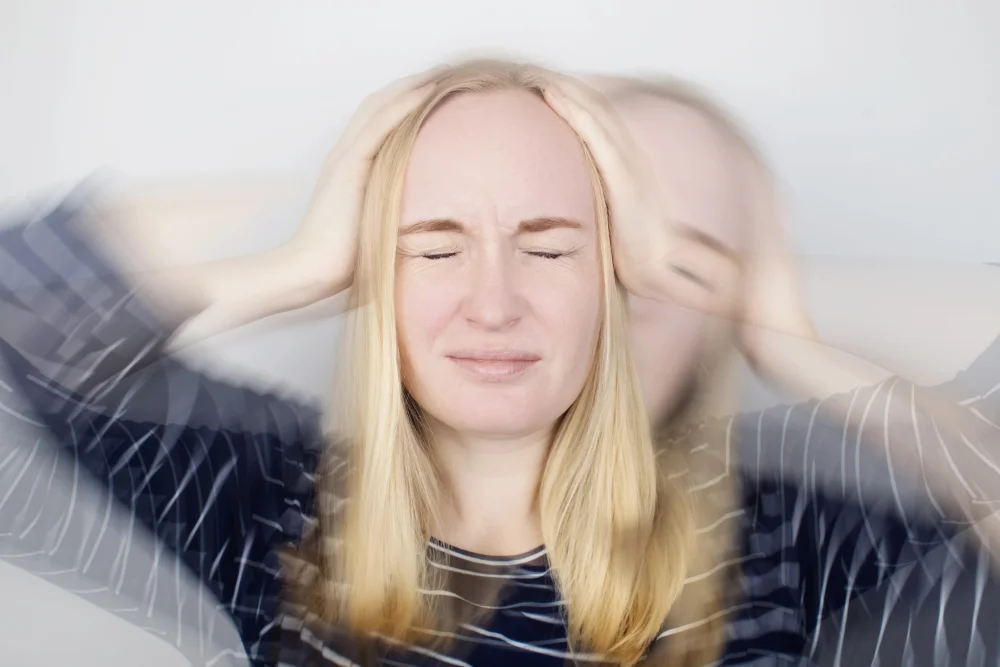
Clinical Indications: When Is Neuro Physical Therapy Necessary for Dizziness?
Neuro physical therapy may be appropriate when dizziness, vertigo, motion sensitivity, spatial disorientation, or gait instability repeatedly interferes with daily activities, particularly when symptoms persist despite conventional management. Evaluation can help distinguish vestibular, visual, proprioceptive, and neurological contributors to balance dysfunction.
Common experiences can include:
- Spinning or room-spinning sensations
- Rocking or swaying
- Feeling as though the room is tilting
- Unsteadiness while walking
- Difficulty maintaining balance
- Motion sensitivity
- Visual discomfort in busy environments
- Difficulty stabilizing vision during head movement
- Persistent symptoms after a concussion
- Dizziness associated with positional changes
- Difficulty walking while performing another cognitive task
A comprehensive evaluation can examine both symptoms and measurable findings, including:
- Abnormal eye movements or nystagmus
- Abnormal saccades or smooth pursuit
- Abnormal vestibulo-ocular reflex responses
- Excessive sway during balance testing
- Difficulty integrating visual, vestibular, and somatosensory information
- Autonomic responses associated with positional intolerance
From a functional neurology perspective, dizziness may persist when the brain receives sensory information that does not agree across systems. Vision, the vestibular system, and proprioception all contribute to spatial orientation. When those signals become poorly integrated, the nervous system may have difficulty determining where the body is in space.
If unexplained dizziness or persistent unsteadiness is affecting your independence, a specialized vestibular evaluation can help identify the patterns that need to be addressed.
Core Conditions Treated: From BPPV to PPPD and Vestibular Migraine
Neuro physical therapy can be used as part of rehabilitation for a broad range of peripheral vestibular, central neurological, and complex balance disorders. Treatment is individualized according to the suspected source of dysfunction and may address positional vertigo, gaze instability, sensory integration, motion sensitivity, autonomic symptoms, and impaired balance.
Peripheral Vestibular Disorders
Benign Paroxysmal Positional Vertigo (BPPV)
BPPV occurs when microscopic calcium carbonate crystals, called otoconia, become displaced into one of the inner ear's semicircular canals. Specific head movements can then trigger brief episodes of positional vertigo.
Neuro physical therapy for BPPV may include canalith-repositioning procedures such as the Epley, Semont, or Gufoni maneuver, depending on the suspected canal and pattern of involvement.
Some uncomplicated cases of BPPV may respond within one to three targeted treatment sessions, although treatment needs vary by individual.
Vestibular Neuritis
Vestibular neuritis can disrupt vestibular information from the inner ear and produce dizziness, imbalance, and difficulty stabilizing vision during movement. Rehabilitation may focus on gaze stabilization, habituation, balance training, and progressive exposure to movement.
Labyrinthitis
Labyrinthitis involves the inner-ear structures responsible for hearing and balance and can be associated with dizziness and balance impairment. Rehabilitation may be considered when lingering vestibular deficits remain after the acute illness.
Meniere’s Disease
Meniere’s disease can involve episodes of vertigo along with auditory symptoms. Vestibular rehabilitation may be incorporated into care when persistent imbalance or motion sensitivity remains between episodes.
Central & Complex Neurological Disorders
Some dizziness presentations involve more complicated interactions between vestibular, visual, autonomic, cervical, and central nervous system pathways.
Persistent Postural-Perceptual Dizziness (PPPD)
PPPD is characterized by persistent non-spinning dizziness, unsteadiness, and increased sensitivity to visual motion. Symptoms can become particularly noticeable while standing, walking, or navigating visually complex environments.
Rehabilitation may incorporate gaze stabilization, visual habituation, progressive balance exercises, and controlled exposure to motion. For some patients with persistent symptoms, additional therapies may also be considered as part of a broader treatment plan. CNS Brain Center offers Transcranial Magnetic Stimulation (TMS), a noninvasive therapy that is being studied as a potential adjunct for PPPD, particularly when dizziness occurs alongside anxiety or related symptoms.
Post-Concussion Syndrome
A concussion can disrupt the networks connecting eye movements, vestibular processing, neck proprioception, balance, and cognitive function. As a result, some people experience dizziness, visual sensitivity, imbalance, or brain fog after the initial injury.
Neuro-rehabilitation may address these interacting systems rather than treating dizziness as an isolated symptom.
Mal de Debarquement Syndrome (MdDS)
MdDS can produce a persistent rocking or swaying sensation after travel on a boat, plane, or other mode of transportation. Specialized rehabilitation approaches may incorporate visual-motion stimulation and controlled movement strategies.
Vestibular Migraine
Vestibular migraine can involve dizziness, motion sensitivity, and altered central sensory processing, with or without a typical headache.
Rehabilitation may incorporate visual habituation, gaze stabilization, cervical rehabilitation, and other individualized functional neurology strategies.
Central vs. Peripheral Vestibular Disorders: Diagnostic Comparison
Peripheral vestibular disorders primarily involve structures of the inner ear or vestibular nerve, whereas central vestibular dysfunction involves how the brainstem, cerebellum, and other central nervous system structures process and integrate sensory information. Distinguishing the two requires a clinical evaluation rather than symptoms alone.
| Feature | Peripheral Vestibular Dysfunction | Central Vestibular Dysfunction |
|---|---|---|
| Primary site | Inner ear or vestibular nerve | Brainstem, cerebellum, or central integration pathways |
| Typical onset | May be sudden or positional depending on condition | May be gradual, sudden, or associated with neurological conditions |
| Nystagmus | Often follows recognizable peripheral patterns | May demonstrate atypical or direction-changing patterns |
| Fixation suppression | Often present in peripheral conditions | May be impaired depending on the central dysfunction |
| Neurological signs | Usually limited outside the vestibular system | May coexist with other neurological findings |
| Rehabilitation focus | Vestibular compensation, gaze stabilization, balance, habituation | Sensory integration, gaze control, balance, coordination, and brain-based rehabilitation |
The distinction matters because dizziness is not a single diagnosis. Two people can describe similar sensations while having very different underlying patterns of vestibular or neurological dysfunction.
Experiencing unexplained room spinning or persistent unsteadiness? A diagnostic VNG evaluation can provide objective information about eye movements and vestibular function.
The Diagnostic Workflow at CNS Brain Center: Vestibular and Neurological Testing
A functional neurology evaluation can examine how visual, vestibular, and somatosensory systems work together to maintain spatial orientation and balance. At CNS Brain Center, specialized testing is used to identify patterns that can guide an individualized neuro-rehabilitation program.
Depending on the patient's symptoms and clinical presentation, vestibular and neurological testing at CNS Brain Center may include:
1. Videonystagmography (VNG)
Videonystagmography, or VNG, uses infrared goggles to record eye movements, including involuntary movements such as nystagmus.
Because eye movements are closely connected to vestibular function, VNG can provide objective information about vestibular and ocular-motor responses.
2. Saccadometry and Smooth Pursuit Testing
Saccades are rapid eye movements used to shift visual attention from one target to another. Smooth pursuit allows the eyes to follow a moving target.
Testing these systems can help characterize ocular-motor performance and identify patterns relevant to a broader functional neurology assessment.
3. Computerized Dynamic Posturography
Computerized Dynamic Posturography (CDP) evaluates how a person maintains balance when sensory information changes.
Because balance depends on the integration of vision, vestibular input, and somatosensory information, posturography can help identify situations in which sensory organization becomes difficult.
4. Autonomic Tilt-Table Testing
For patients with suspected dysautonomia or POTS, autonomic assessment may be incorporated into the diagnostic process.
Tilt-table testing may be used to evaluate autonomic responses associated with positional symptoms when clinically appropriate.
Together, these assessments provide multiple perspectives on balance rather than relying on a single symptom or test.
The Neuro Physical Therapy Process: Step-by-Step Rehabilitation
Neuro physical therapy progresses from targeted treatment of acute vestibular problems to increasingly complex exercises designed to improve gaze control, sensory integration, balance, motion tolerance, and functional movement.
Phase 1: Canalith Repositioning & Acute Stabilization
For appropriate BPPV presentations, treatment may begin with a canalith-repositioning maneuver.
Depending on the clinical pattern, techniques may include:
- Epley maneuver
- Semont maneuver
- Gufoni maneuver
The objective is to address displaced inner-ear particles and reduce positional vertigo.
Phase 2: Vestibulo-Ocular Reflex & Gaze Stabilization
The Vestibulo-Ocular Reflex (VOR) helps maintain visual stability when the head moves.
A common rehabilitation strategy is the VOR x1 exercise, in which a patient focuses on a stationary target while moving the head horizontally or vertically.
More advanced VOR x2 exercises introduce movement of both the target and head.
These exercises progressively challenge the neural systems responsible for keeping vision stable during everyday movement.
Phase 3: Sensorimotor & Balance Integration
Once basic gaze and vestibular control are being addressed, rehabilitation can progress toward whole-body balance and sensory integration.
Exercises may include:
- Standing on changing or unstable surfaces
- Altering visual input
- Head movements during balance tasks
- Walking with head turns
- Dual-task cognitive gait exercises
- Progressive movement challenges
The goal is to improve the nervous system’s ability to combine information from the feet, joints, eyes, and vestibular system.
Phase 4: Targeted Brain-Based Neuro-Rehabilitation
More complex cases may require additional brain-based rehabilitation strategies.
Depending on the patient's findings and treatment needs, additional rehabilitation strategies may include:
- Optokinetic stimulation
- Rotational-chair-based stimulation
- Autonomic modulation
- Progressive visual-motion exposure
- Multisensory integration exercises
The appropriate progression depends on the individual’s symptoms, testing results, tolerance, and functional goals.
Long-Term Goals: Supporting Neuroplasticity and Functional Stability
Progressive vestibular rehabilitation is designed to encourage adaptation of the nervous system. Through repeated, appropriately dosed sensory and movement challenges, the brain can learn to interpret vestibular, visual, and proprioceptive information more effectively.
For patients with chronic dizziness, the goal extends beyond simply reducing a symptom during an appointment.
Functional goals may include:
- Improved walking stability
- Better gaze control
- Greater tolerance of head movement
- Reduced motion sensitivity
- Improved confidence in busy visual environments
- Greater independence with daily activities
- Reduced fear of falling
- Improved ability to drive or return to work when clinically appropriate
- Increased participation in active living
The rehabilitation process is progressive. Exercises that initially provoke mild symptoms may become easier as the nervous system adapts. Over time, controlled habituation and sensory integration can help patients tolerate movements and environments that previously triggered symptoms.
Why Neuro Physical Therapy Is Different From Conventional Physical Therapy
General orthopedic physical therapy often emphasizes musculoskeletal concerns such as strength, mobility, joint range of motion, and recovery from injury. Neuro physical therapy for dizziness places additional emphasis on how the nervous system receives, integrates, and responds to visual, vestibular, and somatosensory information.
For vestibular patients, this can mean assessing relationships among:
- Eye movements
- Inner-ear signals
- Head movement
- Foot and joint proprioception
- Postural control
- Visual motion
- Cognitive demands
- Autonomic responses
At CNS Brain Center, this brain-based approach is combined with diagnostic technologies including VNG, saccadometry, and computerized dynamic posturography.
The result is an individualized rehabilitation framework rather than a one-size-fits-all exercise program.
How Gaze Stabilization Exercises Work
Gaze stabilization exercises train the brain to maintain clear visual information while the head moves.
During a basic VOR exercise, a patient focuses on a stationary target while moving the head side-to-side or up-and-down. The vestibular and ocular systems must coordinate rapidly to keep the target visually stable.
Over time, exercises can be progressed according to tolerance and clinical findings.
This type of training can be particularly relevant for people who experience blurred or unstable vision, dizziness, or imbalance when turning the head while walking.
How Neuro Physical Therapy Can Address Fall Risk
Balance is not controlled by one body system. Safe walking requires continuous integration of visual information, vestibular input, proprioception, coordination, and rapid postural responses.
Neuro physical therapy can target these components through progressively challenging exercises.
A rehabilitation program may work on:
- Gaze stability — helping maintain visual focus during movement.
- Proprioception — improving awareness of foot and body position.
- Postural reactions — challenging the nervous system to respond to changes in balance.
- Gait stability — practicing walking under increasingly complex conditions.
- Dual-task performance — combining movement with cognitive demands.
- Sensory integration — training the brain to appropriately weigh competing sensory signals.
For people experiencing unsteadiness, these skills can translate into greater confidence and safer movement.
How Long Does Neuro Physical Therapy Take?
Treatment duration depends on the underlying condition, severity, functional limitations, and response to rehabilitation.
Treatment timelines can vary by condition and may include:
- BPPV: Some straightforward cases may respond within 1–3 targeted sessions, although treatment needs vary.
- PPPD, post-concussion symptoms, and central vestibular dysfunction: More complex cases may require approximately 8–12 weeks of structured care.
- Chronic or multifactorial conditions: The duration may vary according to testing findings and individual progress.
Improvement is also not necessarily linear. Some patients may notice early changes in stability or motion tolerance, while more complex neurological rehabilitation can require sustained repetition.
Home exercises are an important component because short, repeated practice reinforces the adaptations developed during supervised sessions.
Frequently Asked Questions
What is neuro physical therapy, and how does it help with dizziness?
Neuro physical therapy is a specialized rehabilitation approach based on neuroplasticity principles. It uses targeted movement, balance, and eye exercises to help the nervous system improve its processing of spatial information and coordination among the visual, vestibular, and somatosensory systems.
How does neuro physical therapy at CNS Brain Center differ from traditional physical therapy?
Neuro physical therapy at CNS Brain Center places additional emphasis on how the central nervous system processes and integrates sensory information. The approach incorporates functional neurology, VNG infrared eye tracking, brain-based assessment, and vestibular rehabilitation strategies.
What conditions can be treated with vestibular neuro physical therapy?
Vestibular neuro physical therapy may be used as part of care for conditions such as BPPV, PPPD, post-concussion symptoms, Ménière's disease, vestibular neuritis, labyrinthitis, vestibular migraine, MdDS, and other balance or vestibular disorders. Treatment depends on the underlying condition and individual evaluation findings.
How is BPPV treated with neuro physical therapy?
BPPV occurs when calcium carbonate crystals become displaced into the semicircular canals of the inner ear. Canalith-repositioning techniques such as the Epley or Semont maneuver may resolve symptoms in appropriate cases. Some straightforward cases may respond within one to three targeted sessions, although treatment needs vary.
What is Persistent Postural-Perceptual Dizziness (PPPD), and how is it treated?
PPPD is a chronic functional neurological disorder characterized by non-spinning dizziness, unsteadiness, and heightened sensitivity to visual motion. Rehabilitation may use visual habituation, gaze stabilization, and progressive balance desensitization to reduce symptoms and improve function.
What should I expect during my first vestibular balance evaluation at CNS Brain Center?
A vestibular balance evaluation at CNS Brain Center may include a comprehensive functional neurology examination, VNG eye tracking, computerized dynamic posturography, and autonomic nervous system testing. The specific testing performed depends on the individual's symptoms and clinical presentation.
Is neuro physical therapy for dizziness painful or uncomfortable?
Neuro physical therapy is noninvasive and is generally not painful. Some exercises intentionally produce mild, controlled dizziness or motion sensitivity as part of habituation. Exercise intensity is adjusted according to tolerance.
How many sessions of neuro physical therapy will I need for my balance problem?
There is no single number of sessions for every patient. Straightforward BPPV may require only a few targeted treatments, while chronic conditions such as PPPD, post-concussion syndrome, or central vestibular dysfunction may require weeks of structured rehabilitation.
Can neuro physical therapy help reduce my risk of falling?
Vestibular rehabilitation can target gaze stability, proprioception, balance reactions, gait, and sensory integration. These are important components of safe movement and may help patients improve stability and confidence.
Will medications cure my dizziness, or do I need neuro physical therapy?
Vestibular rehabilitation focuses on adaptation and sensory processing rather than simply suppressing symptoms. Medication and rehabilitation serve different purposes, and the appropriate treatment depends on the cause of dizziness. Medication decisions should be discussed with the appropriate medical professional.
How does gaze stabilization (VOR) exercise work in vestibular rehab?
VOR exercises require a person to maintain focus on a target while moving the head. This challenges the vestibulo-ocular system and helps train the brain to maintain visual stability during head movement.
Can concussion-related vertigo and brain fog be treated with neuro therapy?
Concussion can affect visual, vestibular, cervical, and cognitive systems that contribute to persistent dizziness, imbalance, visual sensitivity, or brain fog. Neuro-rehabilitation may target these interacting systems through individualized gaze, balance, sensory, and movement exercises.
What is Videonystagmography (VNG), and why is it used for dizziness?
VNG uses infrared goggles to record eye movements, including nystagmus. The results can provide objective information about vestibular and ocular-motor function and can help clinicians characterize whether findings are more consistent with peripheral or central involvement.
Can vestibular migraines be managed with neuro physical therapy?
Vestibular migraine can involve altered central sensory processing, dizziness, and motion or visual sensitivity. Rehabilitation may incorporate visual habituation, cervical rehabilitation, gaze stabilization, and other individualized strategies when appropriate.
What is Mal de Debarquement Syndrome (MdDS), and how is it treated?
MdDS is associated with persistent rocking or swaying sensations following travel or prolonged motion exposure. Specialized rehabilitation for MdDS may incorporate optokinetic visual stimulation and controlled movement strategies designed to address persistent motion-related symptoms.
How soon will I notice improvement after starting neuro physical therapy?
Improvement varies by diagnosis and individual response. Some people with BPPV may experience relatively rapid improvement after appropriate repositioning treatment, while chronic PPPD or post-concussion dizziness may require a longer course of rehabilitation.
Are home exercises necessary during neuro physical therapy treatment?
Home exercises are an important part of many vestibular rehabilitation programs. Repeated practice between appointments reinforces the motor and sensory adaptations developed during supervised therapy.
Does health insurance cover neuro physical therapy for dizziness and balance?
Coverage for neuro physical therapy and vestibular services varies by insurance plan, diagnosis, provider, and service. Patients should confirm their individual benefits and any referral, authorization, or coverage requirements with their insurance plan.
Why should I choose CNS Brain Center for my dizziness and balance therapy in Chicago?
CNS Brain Center combines functional neurology with specialized diagnostic technologies, including VNG, computerized dynamic posturography, and saccadometry. These findings can help guide an individualized neuro physical therapy and brain-based rehabilitation strategy based on each patient's symptoms and functional needs.
Conclusion: Find the Source of Your Dizziness and Balance Problems
Persistent dizziness does not have to define your daily life.
Whether symptoms involve positional vertigo, chronic unsteadiness, visual motion sensitivity, post-concussion dizziness, PPPD, vestibular migraine, or a more complex vestibular problem, understanding how the brain and body are processing sensory information is an important part of developing an appropriate rehabilitation strategy.
CNS Brain Center combines functional neurology, advanced vestibular diagnostics, and individualized neuro-rehabilitation to evaluate dizziness and balance problems from a brain-based perspective.
If dizziness, vertigo, or balance loss is interfering with your ability to work, drive, exercise, or move confidently, consider scheduling a comprehensive functional neurology examination and VNG balance evaluation at CNS Brain Center.