
Neurologist Near Evanston, IL for Brain, Nerve, and Diagnostic Care
Last Updated: October 6, 2026
People in Evanston who need specialty evaluation for migraines, memory changes, nerve symptoms, dizziness, movement concerns, or other neurological problems can consider CNS Brain Center at 2219 W Belmont Ave in Chicago.
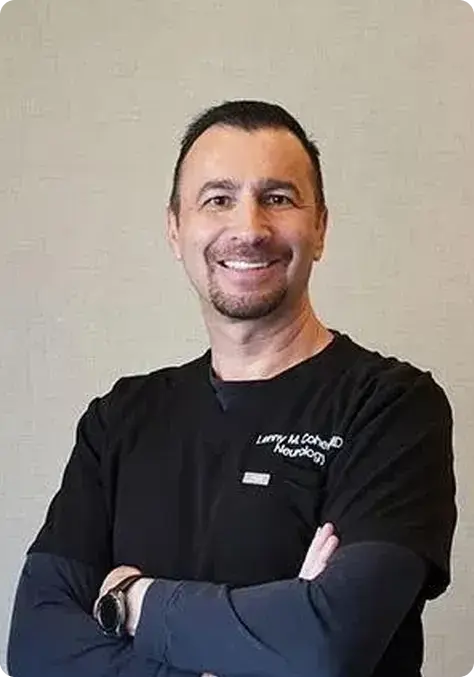
Led by Lenny Cohen, MD, a board-certified neurologist, the Chicago office provides neurological evaluation and in-office testing alongside selected services such as TMS, Spravato, IV infusion therapy, hyperbaric oxygen therapy, and neurological physical therapy when clinically appropriate.
For patients starting near Northwestern University and the Lakefill, Fountain Square, or other parts of Evanston, the appropriate service and Chicago location can be confirmed when scheduling.
Why Consider CNS Brain Center for Neurology Care Near Evanston?
CNS Brain Center's Chicago office combines neurological evaluation, diagnostic testing, and selected treatment services in one practice. The current Chicago location lists services including EEG, EMG and nerve conduction testing, autonomic testing, headache care, TMS, Spravato, hyperbaric medicine, IV medical therapy, and neurological physical therapy. The appropriate combination depends on the diagnosis and individual candidacy, and not every service is indicated for every neurological condition.
People seeking neurological care from Evanston may need evaluation for headaches or migraine, post-concussion symptoms, numbness or neuropathy, dizziness, tremor, seizures, multiple sclerosis, Parkinson's disease, or other neurological concerns. Whether someone is starting near Northwestern University and the Lakefill, Fountain Square, or another part of Evanston, care should begin with a clinical history, neurological assessment, and diagnostic testing when appropriate before a treatment plan is recommended.
The Sheridan Road Trip From Evanston to the Belmont Avenue Office
There is no CNS Brain Center office inside Evanston. The Chicago location is at 2219 W Belmont Ave. Sheridan Road is a familiar north-south corridor from Evanston toward Chicago, but the most appropriate driving route and travel time vary with traffic, construction, weather, and starting point. Patients should check current navigation before leaving rather than relying on a fixed drive-time estimate.
For public transit, the CTA Purple Line serves Evanston daily between Linden and Howard. During weekday rush periods, Purple Line Express service continues south and stops at Belmont. Outside those periods, riders may need to transfer at Howard to the Red Line to continue toward Belmont. The Belmont station is east of the CNS Brain Center office, so an additional bus, rideshare, or other connection along Belmont Avenue may be needed. Check current CTA service before travelling because schedules and service alerts can change.
Whether starting near Northwestern University and the Lakefill, Fountain Square in downtown Evanston, or neighborhoods along Sheridan Road, the destination is the Belmont Avenue office in Chicago. Travel conditions and parking availability vary, so patients who need parking or accessibility information should confirm current options with the office before their visit.
Neurology, Diagnostic Testing, and Selected Therapies at the Chicago Office
The Chicago office brings several neurological evaluations, diagnostic tests, and selected treatment services into one practice. The points below summarize services CNS currently lists at the Belmont Avenue location without assuming that every patient needs every test or therapy.
- Board-certified neurological care: Lenny Cohen, MD leads the practice as a board-certified neurologist and performs selected neurological evaluations and testing.
- Multiple services at one location: Neurological evaluation, selected diagnostic testing, TMS, Spravato, hyperbaric medicine, infusion therapy, and neurological physical therapy are listed at the Chicago office.
- In-office diagnostic testing: The Chicago location offers EMG and nerve conduction studies, EEG, autonomic and tilt-table testing, VNG, and skin biopsy when clinically appropriate.
- Physician-supervised hyperbaric services: Medical-grade HBOT is available after individual evaluation, with appropriateness depending on the condition, available evidence, safety, and treatment goals.
- Current scheduling options: Online appointment scheduling is available, but appointment availability varies and should be confirmed when booking.
- Care coordination: Referrals, insurance requirements, and communication with other providers can be addressed as part of the intake process when appropriate.
- Individualized treatment planning: Neurological evaluation comes first, and advanced or adjunctive therapies are considered only when they fit the diagnosis and individual patient needs.
Common Goals of Neurological Evaluation and Treatment
Neurological care begins with understanding the symptom, diagnosis, and effect on daily function. Depending on the condition, treatment goals may include reducing headache burden, identifying a cause for nerve or balance symptoms, improving function, or managing a chronic neurological condition. Outcomes and appropriate treatments vary by diagnosis and individual patient.
Fewer and Milder Headaches and Migraines
Chronic headaches and migraines can interfere with work, study, sleep, and everyday activities. The headache program combines neurological evaluation with treatment options such as Botox injections for chronic migraine prevention, occipital nerve blocks, trigger point injections, and selected infusion therapies when clinically appropriate. Treatment is individualized according to the diagnosis, headache pattern, medical history, and previous treatment, and results vary from person to person.
Clearer Answers From In-Office Neurological Testing
EMG, nerve conduction studies, EEG, autonomic testing, tilt-table testing, VNG, and skin biopsy can provide information that helps a neurologist evaluate different neurological symptoms and conditions. The appropriate test depends on the clinical question, and testing is interpreted alongside the patient's history and examination rather than treated as a stand-alone guarantee of diagnosis.
Steadier Mood and Mental Health Support
For selected patients with depression or OCD, CNS Brain Center offers BrainsWay Deep TMS and Spravato (esketamine). FDA authorization for TMS applies to specific devices and indications, including certain uses for major depressive disorder and OCD. Spravato is FDA approved for adults with treatment-resistant depression and for certain adults with major depressive disorder and acute suicidal ideation or behavior under its labeled requirements. Candidacy depends on the diagnosis, medical and psychiatric history, prior treatment, contraindications, and the specific treatment protocol.
Support for Brain Wellness and Longer-Term Brain Health
Some patients ask about hyperbaric oxygen therapy or IV infusions as adjunctive or wellness services. These therapies should not be presented as proven ways to prevent cognitive decline or extend brain longevity generally. Their potential role, evidence, limitations, risks, and insurance coverage vary by treatment and indication, so any therapy should be considered only after neurological evaluation and an individual discussion of candidacy.
How Neurological Care Is Organized for Patients Traveling From Evanston
The practice groups its care into four working areas so Evanston patients can see how a visit fits together. Each area is delivered at the Belmont Avenue office.
Hyperbaric Oxygen Therapy: Candidacy, Evidence, and Safety
CNS Brain Center offers physician-supervised hyperbaric oxygen therapy in medical-grade hard chambers. HBOT is an established treatment for specific medical conditions, but broad uses for brain wellness, cognitive longevity, Alzheimer's disease, and many neurological conditions do not have the same FDA-recognized indications or insurance coverage. If HBOT is being considered for a neurological or wellness purpose, the consultation should address the available evidence, potential risks, alternatives, whether the proposed use is established or investigational for that condition, and expected insurance coverage before treatment begins.
TMS, Spravato, and Mental Health Treatment
CNS Brain Center offers BrainsWay Deep TMS for eligible patients with FDA-authorized indications such as major depressive disorder and OCD, depending on the specific device and treatment protocol. The center also offers Spravato (esketamine) for adults who meet FDA-approved depression indications, including treatment-resistant depression. Spravato is administered under a restricted REMS program with required clinical monitoring. Neither treatment is appropriate for everyone, so medical history, medications, previous treatment, contraindications, and individual goals are reviewed before care begins.
IV Medical Therapy and Infusion Care
The infusion suite provides prescribed medical infusions for selected neurological and autoimmune conditions and separately offers vitamin or wellness infusions such as NAD+ and alpha-lipoic acid. These categories should remain distinct because wellness infusions do not automatically carry FDA-approved claims for treating neurological disease. Infusions are ordered when clinically appropriate and administered with clinical monitoring for safety and tolerability.
Neurological Evaluation, Diagnostics, and Testing
The diagnostic side covers comprehensive neurological evaluation plus a full menu of in-office testing: EMG and nerve conduction studies, ambulatory and in-office EEG for seizures, autonomic nervous system testing, tilt table testing for syncope and POTS, VNG for vertigo and balance, and skin biopsy for small fiber neuropathy. Neurological physical therapy and rehabilitation round out the care for balance, weakness, and mobility.
The Complete Neurology and Brain Wellness Menu Available to Evanston Patients
- Physician-supervised medical-grade hyperbaric oxygen therapy for selected conditions after individual evaluation
- BrainsWay Deep TMS for eligible patients with FDA-authorized indications, including depression and OCD
- Spravato (esketamine) for qualifying adults with treatment-resistant depression and other FDA-approved indications
- IV medical therapy and infusion center for neurology and autoimmune care
- IV vitamin therapy and wellness infusions
- Comprehensive neurological evaluation and diagnostics
- Ambulatory and in-office EEG testing for seizures
- EMG and nerve conduction studies (NCS)
- Autonomic nervous system testing and dysautonomia lab
- Tilt table testing for syncope and POTS
- VNG testing for vertigo and balance disorders
- Skin biopsy for small fiber neuropathy diagnosis
- Botox injections for chronic migraine prevention
- Occipital nerve block injections for headache relief
- Trigger point injections for muscle pain
- Magnetic peripheral nerve stimulation (mPNS) for selected chronic nerve-related pain when clinically appropriate
- Concussion and traumatic brain injury (TBI) recovery program
- Neurological physical therapy and rehabilitation
- Personal injury and workers' compensation evaluations
Meet the Neurology Team Caring for Patients Who Travel From Evanston
Care at the Belmont Avenue office is led by Dr. Lenny Cohen and supported by clinical and patient-access team members, including the staff highlighted below.
Lenny Cohen, MD, Lead Physician and Board-Certified Neurologist
Lenny Cohen, MD is a board-certified neurologist with more than 18 years of clinical experience. Rush independently lists him in Neurology and confirms his board certification in the specialty. His work includes evaluation and management of headaches, neuropathies, multiple sclerosis, movement disorders, stroke-related conditions, and other neurological concerns. CNS Brain Center added physician-supervised hyperbaric services, an IV infusion suite, and TMS over time as selected treatment options within the practice. These therapies are considered according to diagnosis, available evidence, safety considerations, and individual candidacy.
Crystal Roman, RN, Infusion Leader
Crystal Roman, RN is the Infusion Leader at CNS Brain Center and is dedicated to careful, patient-centered care. She specializes in administering a range of medications and infusions, focusing on safety, comfort, and a treatment experience tailored to each patient, which matters for Evanston patients spending time in the infusion suite.
Juan Paz, Patient Access Manager
Juan Paz is the Patient Access Manager and helps patients navigate their treatment plans from the first phone call. He streamlines scheduling, coordinates care, and works to make the experience seamless, which is part of why patients traveling in from Evanston can usually plan a visit without a long back-and-forth.
Fast Answers for Evanston Patients Weighing a First Neurology Visit
Is there a CNS Brain Center neurology office inside Evanston?
No. CNS Brain Center does not have an office inside Evanston. Its Chicago location is at 2219 W Belmont Ave. Sheridan Road is one possible southbound corridor from Evanston, but the best route and travel time depend on starting point, traffic, construction, and time of day. Check current navigation before travelling.
What neurological testing can an Evanston patient get done in office?
The Chicago office lists EMG and nerve conduction studies, ambulatory and in-office EEG, autonomic and tilt-table testing, VNG, and skin biopsy among its in-office diagnostic services. The test you need depends on the clinical question and the neurologist's evaluation, so confirm the specific study when scheduling.
How soon can an Evanston patient usually get an appointment?
Appointment availability changes over time. CNS Brain Center offers online scheduling, and the current openings for neurological evaluation or testing should be confirmed through the scheduler or by calling the office.
Evanston Neighborhoods and North Shore Areas CNS Brain Center Serves
CNS Brain Center's Chicago office serves people seeking neurological care from Evanston and nearby North Shore and north-side communities. Areas and corridors relevant to the Evanston service area include:
- Evanston, IL (60201, 60202, 60203, 60204)
- Northwestern University and the Lakefill area (60208)
- Fountain Square and downtown Evanston
- The Sheridan Road lakefront corridor
- Southeast Evanston near the Chicago border
- West and northwest Evanston
- The Main Street and Dempster Street corridors
- Wilmette and the near North Shore
- Skokie and neighboring suburbs
- Rogers Park and Edgewater to the south
- Uptown and the north lakefront neighborhoods
- The greater North Shore commuter area
How a Belmont Avenue Neurology Office Fits Into an Evanston Week
People in Evanston may begin their day near Northwestern University and the Lakefill, spend time around Fountain Square in downtown Evanston, or travel along Sheridan Road as part of everyday routines. Neurological symptoms such as headaches, dizziness, numbness, tremor, or cognitive changes can interfere with work, study, driving, and other daily activities. CNS Brain Center's Chicago office is located on Belmont Avenue, and current driving or CTA conditions should be checked before each visit. The office currently lists weekday and weekend hours, providing additional scheduling options for patients travelling from Evanston.
What Recent Patients Have Said About Dr. Cohen and CNS Brain Center
These reviews describe individual patient experiences. Diagnosis, treatment recommendations, access to care, response, and results vary from person to person.
“I had a nice experience being seen by Dr. Cohen for a new patient consult. He listened to my symptoms and laid out a plan to determine the underlying cause. He also provided treatment options to help manage another issue I’ve been dealing with, which was unexpected but I really appreciated!”
— Jessi Paarfus
“Dr Cohen was very pleasant and thorough with his questions, making sure I had all I needed and that all my questions were answered. I didn’t have to wait for long in the lobby and got all the time I needed with him.”
— Jeff Light
“Dr. Cohen took the time to listen and made me feel heard throughout the entire visit. He was never dismissive and it felt like a genuine, collaborative effort to find the best path forward for my health. I would recommend him to anyone looking for a thoughtful and attentive physician.”
— Christina Ottaviano
Set Up an Evanston Neurology Consultation in a Few Minutes
Call (773) 904-7101 or schedule online to request an appointment with CNS Brain Center. The front desk can help match your concern to the appropriate evaluation or testing, confirm what to bring, and review current appointment availability. Patients travelling from Evanston can check current traffic or CTA service and ask the office about parking or accessibility needs before leaving.
- Address: 2219 W Belmont Ave, Chicago, IL 60618
- Website: https://cns-center.com/
- Hours: Monday to Friday, 9:00 AM to 6:00 PM. Saturday and Sunday, 9:00 AM to 3:00 PM.
Call (773) 904-7101 | Begin Your Evanston Consultation
CNS Brain Center
2219 W Belmont Ave, Chicago, IL 60618
Common Questions About Seeing a Neurologist near Evanston, IL
What is the success rate of hyperbaric oxygen therapy?
There is no single success rate for hyperbaric oxygen therapy. Outcomes depend on the medical condition, treatment protocol, patient health, and whether HBOT is being used for an established indication. Broad brain-wellness or longevity uses do not have a universal FDA-approved success rate. If HBOT is being considered, ask what evidence supports the proposed use, what alternatives exist, what risks apply, and how response will be monitored.
How long does it take for hyperbaric oxygen therapy to work?
There is no universal time to benefit from HBOT. The number and frequency of sessions depend on the condition being treated, the protocol, and the patient's response. Some established medical uses require multiple sessions, while the benefit of HBOT for other neurological or wellness uses may be uncertain. Your treatment plan should explain why HBOT is being considered, the proposed course, and when progress will be reassessed.
What does hyperbaric oxygen therapy do for the brain?
Hyperbaric oxygen therapy increases oxygen delivery to blood and tissues by providing oxygen under increased atmospheric pressure. HBOT has established uses for specific medical conditions, but evidence is not the same across neurological diagnoses, and it should not be presented as a proven way to improve cognition or extend brain longevity generally. If HBOT is recommended for a neurological purpose, ask whether that use is established or investigational and what evidence supports it.
Who is not a candidate for hyperbaric oxygen therapy?
HBOT is not appropriate for everyone. A collapsed lung and certain other lung conditions, ear or sinus problems, medications, seizure-related risks, and other medical factors can affect safety or candidacy. The clinical team should review your medical history, medications, pulmonary and ear health, and other risk factors before treatment. HBOT can also cause complications such as middle-ear injury, sinus problems, temporary vision changes, oxygen-related seizures, and, rarely, lung injury.
Who may not be a candidate for TMS?
TMS may be inappropriate for people with certain conductive metal objects or implanted electronic devices in or near the head, depending on the device and its location. A history of seizures or conditions that increase seizure risk also requires careful review because seizure is a recognized, although uncommon, treatment risk. The team should review implants, medications, neurological history, and the specific TMS device before treatment begins.
What happens in the brain during and after TMS?
TMS uses magnetic fields to induce electrical activity in targeted areas of the cerebral cortex. FDA authorization applies to specific TMS devices and specific conditions, including certain uses for major depressive disorder and OCD. Treatment is delivered over multiple sessions, and symptom response develops differently from person to person rather than occurring all at once.
Can TMS cure depression?
TMS is a treatment for depression, not a cure. Specific TMS systems are FDA authorized for major depressive disorder under defined indications and may reduce symptoms for appropriate candidates. Response varies, and some patients may need additional treatment, maintenance care, medication, psychotherapy, or another approach depending on their diagnosis and response.
What are some early warning signs of a neurological disorder?
Persistent or worsening headaches, memory changes, numbness or tingling, dizziness, tremor, weakness, or changes in balance, vision, or coordination can warrant neurological evaluation. Sudden neurological symptoms are different. Sudden one-sided weakness or numbness, facial drooping, trouble speaking or understanding speech, sudden vision changes, sudden severe headache, or sudden loss of balance can be signs of stroke and require immediate emergency care. Call 911 rather than waiting for a routine neurology appointment.
How do neurological problems start?
Neurological symptoms can have many causes, including injury, vascular disease, inflammation, autoimmune conditions, infection, medication effects, genetic factors, and age-related changes. A neurological history, examination, and appropriate testing can help narrow the possibilities, but not every symptom has one immediately identifiable cause. The testing plan should be guided by the symptoms and examination rather than assuming a diagnosis in advance.
Can neurological issues be cured?
Some neurological conditions can be resolved while others are managed long term, so the honest answer depends on the diagnosis. The focus at CNS Brain Center is accurate diagnosis followed by a plan that aims to reduce symptoms and support day-to-day function, with expectations set individually.
How do Evanston patients reach the Belmont Avenue neurology office?
The Chicago office is at 2219 W Belmont Ave. Sheridan Road is one possible route south from Evanston, but the most appropriate driving route depends on where you start, current traffic, and road conditions. Patients using public transit can use CTA service from Evanston, with the Purple Line operating to Howard and weekday rush-period express service continuing to Belmont. Check current driving directions or CTA service before travelling.
Do Evanston patients need a referral to see a neurologist here?
Referral requirements depend on your insurance plan, the service being scheduled, and your individual benefits. Some plans require a referral or prior authorization and others do not. Check with your insurer and CNS Brain Center before the visit so any referral or authorization requirements can be addressed in advance.
Does CNS Brain Center work with insurance for Evanston patients?
CNS Brain Center works with insurance for many covered services, but network status, deductibles, copayments, prior authorization, and coverage vary by plan and treatment. Some wellness services or uses of treatment outside standard covered indications may not be covered. Confirm your individual benefits and expected out-of-pocket responsibility before beginning treatment.
Is parking available, or should Evanston patients take the CTA?
Parking availability around the Belmont Avenue office can vary, so contact the office if you need current parking or accessibility information. Public transit is another option. CTA Purple Line service connects Evanston with Howard, and during weekday rush periods Purple Line Express trains continue south and stop at Belmont. Outside express periods, a transfer may be required. Check current CTA service before travelling.
Which conditions does CNS Brain Center treat for patients traveling from Evanston?
The practice evaluates and treats neurological concerns including headaches and migraine, concussion and TBI, neuropathy, multiple sclerosis, Parkinson's disease, stroke and TIA, seizures, dysautonomia and POTS, vertigo, tremors, carpal tunnel syndrome, fibromyalgia, and selected neck and back pain concerns. Treatment depends on the diagnosis and may include neurological management, diagnostic testing, physical therapy, or selected adjunctive therapies when clinically appropriate. Hyperbaric therapy, infusions, and TMS are not indicated for every condition on this list.
Are consultation notes shared with my Evanston referring doctor?
When appropriate and with the necessary patient authorization, consultation notes or other relevant records can be shared with a referring or primary care provider to support coordinated care. Ask the CNS Brain Center team how records will be communicated and whether any release forms are needed.
Neurological Care Evanston Patients Can Build a Long-Term Plan Around
If you are looking for neurological evaluation near Evanston, CNS Brain Center can help you understand the testing and treatment options available at its Chicago office. Dr. Cohen and the team can review your symptoms, health history, examination findings, and diagnostic results, then discuss appropriate next steps based on the diagnosis, available evidence, safety considerations, and individual goals. Patients travelling from Evanston can contact the office to confirm the appropriate service, location, and current appointment availability before making the trip.
Reserve Your Belmont Avenue Neurology Visit Today
Begin Your Evanston Consultation | Call (773) 904-7101
CNS Brain Center
2219 W Belmont Ave, Chicago, IL 60618
https://cns-center.com/
Hours:
- Monday to Friday: 9:00 AM to 6:00 PM
- Saturday and Sunday: 9:00 AM to 3:00 PM