
Cancer treatment can save lives, but some side effects may appear long after treatment has ended. Among these late complications are radiation cystitis and other forms of delayed radiation injury. These conditions can develop months or even years after radiation therapy and may continue to affect daily life long after cancer treatment is complete.
Many patients ask, can hyperbaric oxygen therapy help radiation cystitis and delayed radiation injury when symptoms continue long after cancer treatment has ended?
Radiation cystitis occurs when radiation damages the bladder, leading to inflammation and urinary symptoms. Delayed radiation injuries can also affect soft tissues, blood vessels, and surrounding structures throughout the body. Because these conditions often involve long-term tissue damage and reduced blood flow, they can be difficult to manage with conventional therapies alone.
As interest in regenerative approaches grows, many patients ask: Can hyperbaric oxygen therapy treat radiation cystitis? Research and clinical experience suggest that hyperbaric oxygen therapy (HBOT) may help support healing in radiation-damaged tissues and improve symptoms associated with delayed radiation injury.
Understanding Delayed Radiation Injury
Radiation therapy targets cancer cells, but healthy tissues located near treatment areas can also be affected. While some side effects occur during treatment, others may emerge much later.
Radiation can gradually damage small blood vessels, reducing circulation and oxygen delivery to tissues. Over time, this lack of oxygen may lead to tissue breakdown, inflammation, and impaired healing.
Radiation Cystitis
Radiation cystitis develops when radiation exposure affects the bladder lining and surrounding tissues. Patients may experience urinary symptoms, bleeding, and discomfort that persist long after treatment.
Soft Tissue Radionecrosis
Soft tissue radionecrosis involves the breakdown of healthy tissue due to radiation-related damage. It may affect the pelvis, head and neck region, or other treatment areas.
Wound Healing Complications
Radiation can interfere with the body’s ability to repair damaged tissue. Surgical wounds or injuries occurring within previously treated areas may heal slowly or not heal as expected.
Why Symptoms Appear Later
Radiation damage often progresses gradually. Blood vessel injury and tissue scarring can continue developing over time, meaning symptoms may appear months or years after treatment. As oxygen supply decreases, affected tissues may become more vulnerable to inflammation, bleeding, and breakdown.
Also Read: The Science of Neuroplasticity: How Hyperbaric Oxygen Repairs the Brain
Recognizing the Symptoms of Radiation Cystitis
Radiation cystitis symptoms can range from mild irritation to severe urinary complications. Recognizing these symptoms early may help patients seek evaluation before further tissue damage occurs.
- Blood in the Urine: One of the most common signs of radiation cystitis is hematuria, or blood in the urine. Bleeding may be occasional or recurrent and can vary in severity.
- Urinary Urgency and Frequency: Patients may feel the need to urinate more often than usual or experience sudden urges that are difficult to control.
- Pain During Urination: Inflammation of bladder tissues can cause discomfort, pain, or a burning sensation when urinating.
- Pelvic Discomfort: Radiation-related bladder inflammation may also contribute to pelvic pressure, aching, or discomfort.
- Impact on Daily Life: Frequent bathroom visits, pain, and episodes of bleeding can interfere with work, travel, sleep, and social activities. For some individuals, symptoms become a long-term challenge that affects quality of life.
How Hyperbaric Oxygen Therapy Works
Hyperbaric oxygen therapy Chicago providers may offer different types of chambers and treatment protocols. Chicago Neurological Services is the only provider in Chicago offering treatment in medical-grade hyperbaric chambers designed for therapeutic oxygen delivery under medical supervision. Unlike lower-pressure chambers commonly found in wellness centers and other non-medical settings, medical-grade chambers deliver oxygen at treatment pressures used to treat recognized medical conditions, including delayed radiation injury and radiation cystitis.
What HBOT Is
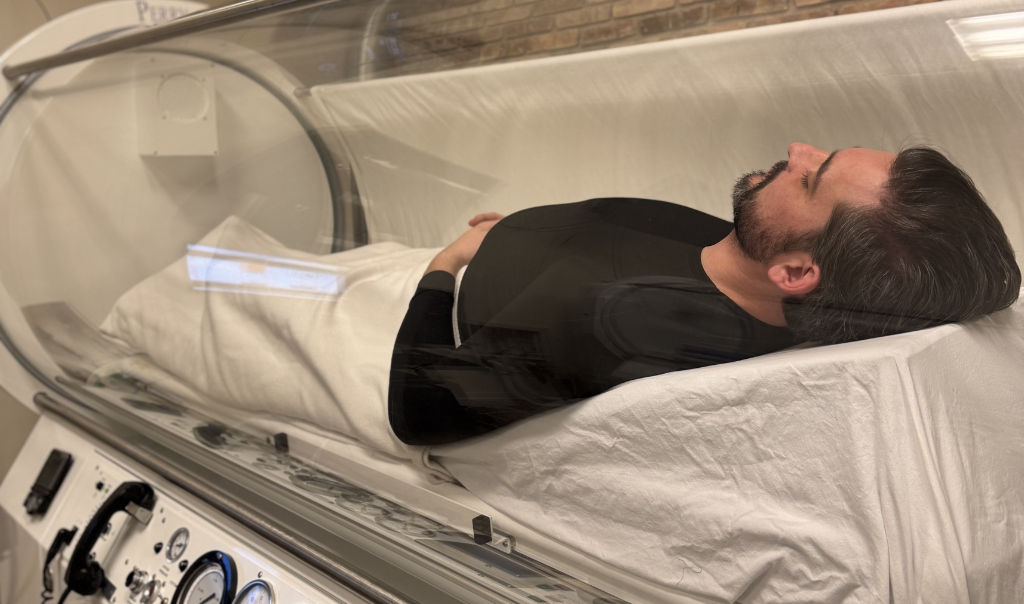
During hyperbaric chamber therapy, patients sit or lie comfortably inside a pressurized chamber while breathing oxygen. Sessions are supervised by trained medical professionals and typically last between 60 and 120 minutes.
Supporting Tissue Repair
Under pressure, oxygen dissolves more readily into the bloodstream and reaches tissues that may not receive adequate oxygen under normal conditions. This increased oxygen availability supports the body’s natural healing processes.
New Blood Vessel Growth
One reason HBOT treatment is often considered for delayed radiation injury is its ability to support angiogenesis, the formation of new blood vessels. Improved circulation may help restore oxygen delivery to damaged tissues and support long-term healing.
Why HBOT Is Used for Radiation-Induced Tissue Damage
Radiation injuries often involve chronic oxygen deprivation, tissue scarring, and reduced blood flow.
Addressing Low Oxygen Levels
Radiation-damaged tissues frequently struggle to receive enough oxygen to maintain normal repair processes. HBOT helps increase oxygen availability where it is needed most.
Supporting Tissue Healing
Many conventional therapies focus on controlling symptoms such as pain, bleeding, or inflammation. Radiation damage therapy using HBOT seeks to support tissue recovery by improving the environment needed for healing.
How HBOT Differs
Unlike treatments primarily designed for symptom management, hyperbaric oxygen therapy focuses on increasing oxygen delivery and promoting biological repair mechanisms in damaged tissues. Understanding how HBOT helps delayed radiation injuries heal begins with recognizing the role oxygen plays in tissue repair. By increasing oxygen availability in damaged areas, HBOT may support healing processes that are often limited in radiation-injured tissue.
Also Read: Medical Hyperbaric Therapy for Brain Longevity: Why HBOT Is Essential for a Healthy Brain for Life
Can HBOT Help Patients With Radiation Cystitis?
A common question is: What is the best treatment for radiation cystitis? The answer depends on the severity of symptoms, the extent of tissue damage, and the patient’s overall health. In some cases, hyperbaric oxygen therapy for radiation cystitis treatment in Chicago may be considered as part of a physician-directed treatment plan.
Many patients also ask, Does HBOT help delayed radiation injury heal? Research involving radiation cystitis and other delayed radiation complications has shown promising findings.
Urinary Symptom Relief
Patients undergoing hyperbaric oxygen therapy for radiation cystitis treatment in Chicago may experience improvements in urinary urgency, frequency, and discomfort.
Reducing Bleeding Episodes
Several studies examining treating radiation bladder damage with hyperbaric oxygen therapy have reported reductions in hematuria and other bladder-related symptoms.
Bladder Tissue Recovery
By improving oxygen delivery and supporting new blood vessel formation, HBOT may help damaged bladder tissues recover from long-standing radiation injury.
Research on Symptom Improvement
Clinical research has demonstrated that many patients receiving radiation cystitis treatment with HBOT experience symptom relief and improved bladder function. While individual responses vary, findings support the role of HBOT as a recognized approach for selected cases of radiation-related bladder injury.
HBOT for Other Delayed Radiation Injuries
The benefits of hyperbaric oxygen therapy extend beyond radiation cystitis.
- Soft Tissue Radionecrosis: HBOT is commonly used to treat patients with soft tissue breakdown associated with delayed radiation injury.
- Wound Healing Problems: Patients with wounds that are difficult to heal in previously irradiated areas may be evaluated for HBOT as part of their treatment plan.
- Head and Neck Injuries: Radiation treatments to the head and neck can sometimes cause tissue damage to the jaw, mouth, or surrounding structures. HBOT may be considered in appropriate cases.
- Pelvic Radiation Complications: Hyperbaric oxygen therapy for pelvic radiation complications may help address tissue damage involving the bladder, rectum, and surrounding pelvic structures.
- HBOT as Part of Treatment: HBOT is often used alongside care provided by specialists in oncology, urology, wound care, and other medical disciplines. Treatment recommendations depend on the location and severity of tissue injury.
What to Expect During HBOT Treatment
Patients considering non-surgical treatment for radiation cystitis often want to understand what the process involves.
- Initial Evaluation: A medical evaluation helps determine whether HBOT is appropriate based on medical history, symptoms, imaging studies, and previous treatments.
- Treatment Schedule: Treatment plans vary, but many patients undergo multiple sessions over several weeks. The number of treatments depends on the type and severity of radiation injury.
- During a Treatment Session: Patients enter the chamber, relax, and breathe oxygen while pressure is gradually increased. Most individuals spend the session reading, resting, or watching entertainment provided by the facility.
- Monitoring Progress: Healthcare providers monitor symptoms and treatment response throughout therapy to assess progress and make adjustments as needed.
Who May Be a Candidate for HBOT?
- Persistent Radiation Symptoms: Individuals experiencing ongoing urinary symptoms, bleeding, tissue injury, or delayed healing may be candidates for evaluation.
- Limited Response to Other Treatments: Patients who continue to experience symptoms despite standard therapies may benefit from discussing HBOT with their healthcare team.
- Factors That Influence Candidacy: Medical history, overall health, the location of tissue damage, and previous treatments all play a role in determining candidacy.
Why Early Evaluation Matters
Early Identification
Prompt evaluation may help identify delayed radiation injury before complications become more severe. Earlier recognition may allow physicians to address tissue damage before bleeding, scarring, or functional impairment worsens.
Determining HBOT Eligibility
Different radiation injuries require different treatment strategies. Evaluation helps determine whether treatment for bladder inflammation, radiation side effects, or HBOT may be appropriate.
Coordinated Specialty Care
Managing delayed radiation injury often involves collaboration among oncology, urology, neurology, and other specialists to address the patient’s full range of symptoms and treatment needs.
Also Read: Medical Hyperbaric Therapy and the Astroglial System: How HBOT Supports Brain Repair
Conclusion
Radiation cystitis and delayed radiation injuries can significantly affect long-term quality of life. Symptoms such as bleeding, urinary urgency, pain, and impaired tissue healing may continue long after cancer treatment has ended.
For patients asking, How does hyperbaric oxygen therapy help radiation damage?, the answer lies in its ability to increase oxygen delivery, support new blood vessel growth, and promote healing within radiation-damaged tissues. As a result, HBOT for delayed radiation tissue injury has become an important consideration for selected patients experiencing late effects of radiation therapy.
For patients exploring non-surgical treatment for radiation cystitis, hyperbaric oxygen therapy may offer an approach focused on supporting tissue recovery rather than only addressing symptoms. Patients seeking hyperbaric oxygen therapy Chicago services should undergo a detailed evaluation to determine whether HBOT for delayed radiation tissue injury is appropriate for their condition.
Because every case is different, a detailed evaluation is important when considering bladder inflammation after radiation treatment therapy or other forms of delayed radiation injury. Individualized treatment planning can help determine whether hyperbaric oxygen therapy may play a role in supporting recovery and improving quality of life.