
A concussion, also known as a mild traumatic brain injury (mTBI), temporarily disrupts normal brain function. While the terms concussion and mTBI are often used interchangeably, both describe the same type of brain injury. Many people recover within a few weeks; others continue experiencing symptoms that interfere with work, school, athletics, and everyday activities. Headaches, dizziness, trouble concentrating, fatigue, and memory problems can linger long after the initial injury, affecting quality of life.
As researchers continue exploring new approaches to concussion treatment, medical-grade Hyperbaric Oxygen Therapy (HBOT) has gained attention as a physician-supervised therapy that may support the brain’s natural healing process when incorporated into a comprehensive care plan. Unlike wellness-focused oxygen chambers, medical-grade HBOT in Chicago is delivered using FDA-approved medical equipment under medical supervision, providing controlled treatment designed for patients with neurological conditions.
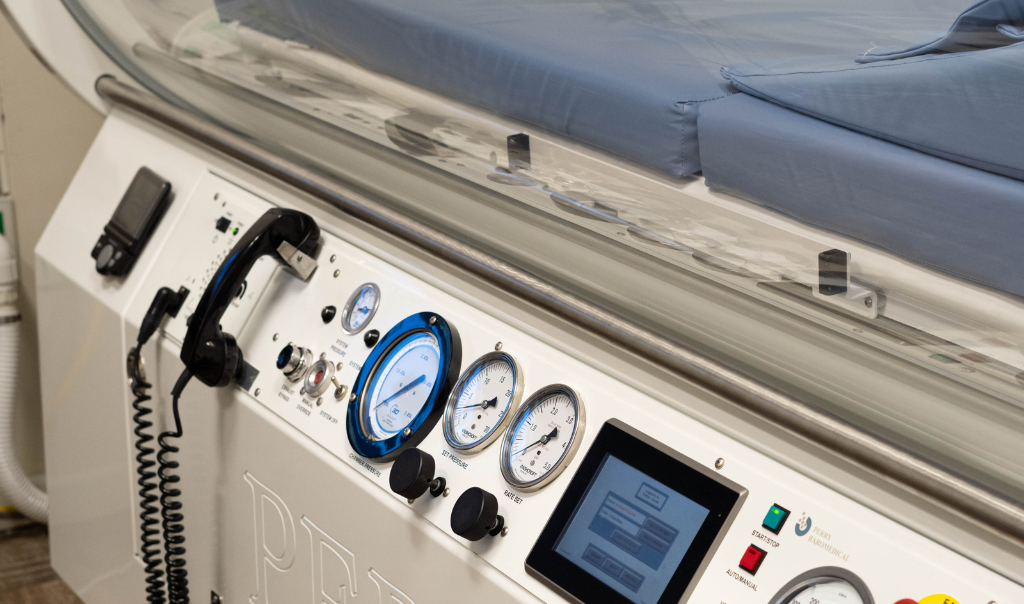
At CNS Brain Center, medical-grade HBOT is delivered in hospital-grade hard chambers as part of an individualized, physician-supervised treatment plan. The center features two spacious, transparent plexiglass chambers, is open seven days a week, and accepts insurance for certain qualifying conditions.
Understanding how medical-grade HBOT works and when it may be appropriate can help patients make informed decisions as part of their concussion recovery plan.
Understanding the Challenges of Concussion Recovery
What Happens to the Brain After a Concussion?
A concussion temporarily changes how the brain functions after a blow or sudden movement of the head. Even when standard imaging appears normal, the brain may still experience changes at the cellular level.
Following a concussion (mTBI), the brain may experience:
- Temporary disruption of normal brain function
- Reduced oxygen utilization and altered cellular metabolism
- Neuroinflammation
- Impaired communication between brain cells
These changes increase the brain’s demand for energy while limiting its ability to produce it efficiently. As a result, recovery timelines vary significantly from person to person.
Common Symptoms That May Persist
Some individuals recover quickly, while others develop post-concussion syndrome, where symptoms continue for weeks or months. Common symptoms include:
- Headaches
- Brain fog
- Memory and concentration problems
- Fatigue
- Dizziness
- Sleep disturbances
- Mood changes
When symptoms continue, patients often benefit from a comprehensive evaluation to determine whether additional therapies may support recovery.
What Makes Medical-Grade HBOT Different?
Medical-grade vs. Wellness Hyperbaric Chambers
Not every chamber marketed for oxygen therapy provides the same treatment. Medical-grade HBOT uses FDA-cleared or FDA-approved equipment, depending on the specific indication, delivered under physician supervision, while many wellness or spa-based chambers operate at significantly lower pressures and are not intended for medical treatment. CNS Brain Center uses hospital-grade hard chambers similar to those found in major medical facilities and is the only certified non-hospital-based medical hyperbaric center in the Chicago area.
Medical-grade treatment includes:
- FDA-approved medical equipment
- Physician oversight
- Controlled pressure with 100% oxygen delivery
- Established safety protocols
- Continuous patient monitoring
CNS Brain Center’s spacious, transparent plexiglass chambers measure approximately seven feet long and 36 inches wide, helping many patients feel more comfortable during treatment while remaining visible to medical staff throughout each session.
Also Read: The Science of Neuroplasticity: How Hyperbaric Oxygen Repairs the Brain
Why Medical Supervision Matters for Neurological Conditions
Neurological conditions require individualized medical decision-making. Before beginning hyperbaric oxygen therapy for concussion treatment, patients should receive a comprehensive medical evaluation to determine whether HBOT is appropriate. The evaluation also helps establish realistic treatment goals and determine how HBOT may fit alongside other aspects of your recovery.
Medical supervision also allows providers to:
- Monitor progress throughout treatment
- Adjust treatment plans based on symptoms and response
- Coordinate HBOT with other rehabilitation services when appropriate
This integrated approach supports safe, individualized care throughout recovery.
How Medical-Grade HBOT Supports Brain Healing After a Concussion (mTBI)
Increases Oxygen Delivery to Injured Brain Tissue
During HBOT, patients breathe 100% oxygen inside a pressurized chamber. The increased pressure allows substantially more oxygen to dissolve into the bloodstream than breathing oxygen under normal atmospheric conditions.
This increased oxygen availability may help support metabolically stressed brain tissue following a concussion and assist the brain’s natural healing response.
Supports Biological Processes Involved in Brain Recovery
Researchers continue studying how HBOT supports concussion recovery, but several biological mechanisms have been identified.
Medical-grade HBOT may help support:
- Tissue healing
- Formation of new blood vessels
- Neuroplasticity, the brain’s ability to reorganize and adapt following injury
These processes may contribute to recovery when combined with appropriate neurological care and rehabilitation.
Helps Address Neuroinflammation
Inflammation is part of the body’s normal response to injury, including concussion. However, prolonged inflammation may contribute to ongoing symptoms in some patients.
Improved oxygen delivery during hyperbaric oxygen therapy for mTBI (concussion) may help support the body’s natural recovery process by improving oxygen availability within affected tissues while supporting cellular function.
Benefits of Medical-Grade HBOT
Every concussion is different, and responses to HBOT vary from patient to patient. Some individuals report improvements in cognitive clarity, concentration, headaches, energy levels, and overall quality of life during treatment. Recovery depends on many factors, including the severity of the injury, time since the concussion, overall health, and participation in other aspects of rehabilitation. Medical-grade HBOT is intended to complement an individualized treatment plan rather than replace other recommended therapies.
Also Read: Medical Hyperbaric Therapy for Brain Longevity: Why HBOT Is Essential for a Healthy Brain for Life
Who May Benefit Most from Medical-Grade HBOT?
Medical-grade HBOT is not appropriate for every patient recovering from a concussion. After a comprehensive medical evaluation, physicians may recommend treatment for patients whose symptoms, medical history, and recovery goals suggest they may benefit as part of a broader neurological care plan.
Because every concussion is different, candidacy should always be determined through a physician evaluation. Some patients may be candidates for HBOT treatment for persistent concussion symptoms after a comprehensive medical evaluation.
Patients with persistent symptoms after a concussion, including headaches, cognitive difficulties, dizziness, or ongoing fatigue, may benefit from discussing whether medical-grade HBOT is appropriate as part of their recovery plan.
What to Expect During Medical-Grade HBOT Treatment
Initial Consultation and Medical Evaluation
The process begins with a detailed medical evaluation. Your provider will review your medical history, symptoms, previous imaging, current medications, and recovery progress to determine whether HBOT for post-concussion syndrome or a recent concussion may be appropriate.
What Happens During an HBOT Session
During treatment, patients relax inside a medical-grade hyperbaric chamber while breathing pure oxygen under controlled pressure.
A typical session generally lasts between 60 and 120 minutes depending on the prescribed protocol. Throughout treatment, trained medical staff monitor patients to promote safety and comfort. CNS Brain Center’s large, transparent chambers help reduce feelings of confinement while allowing patients to remain visible to staff throughout each session.
Personalized Treatment Plans Based on Symptoms, Severity, and Response to Therapy
There is no universal number of HBOT sessions for concussion recovery.
Treatment recommendations are individualized based on:
- Symptom severity
- Time since injury
- Medical history
- Clinical progress throughout treatment
Providers may modify treatment plans as recovery progresses.
Why Choosing an Experienced Medical HBOT Provider Matters
Experience matters when providing hyperbaric medicine for neurological conditions. Since opening its Hyperbaric Oxygen Therapy center in 2015, CNS Brain Center has developed extensive experience treating patients with a wide range of neurological and medical conditions using medical-grade HBOT. Physician oversight, individualized treatment planning, continuous patient monitoring, and coordination with other healthcare providers help ensure treatment is delivered safely while allowing care plans to evolve as recovery progresses.
CNS Brain Center also collaborates with physicians, surgeons, and professional sports organizations and participates in clinical studies involving hyperbaric medicine. Their physician-led program uses medical-grade hard chambers designed for neurological and other medical conditions.
Also Read: Medical-Grade Hyperbaric Oxygen Therapy Costs vs. ‘Wellness Chambers’ in Chicago
Conclusion
Every concussion recovery is different. While many people improve with time, others continue experiencing symptoms that interfere with daily life for weeks or months. Medical-grade HBOT may support the brain’s natural healing processes when incorporated into a comprehensive, physician-directed treatment plan tailored to the individual patient.
If you’re experiencing persistent concussion symptoms, schedule a consultation with CNS Brain Center. Our team can evaluate your condition, discuss whether medical-grade HBOT may be appropriate, and develop a treatment plan based on your specific recovery needs.
FAQs
What is medical-grade HBOT?
Medical-grade HBOT is a physician-supervised treatment that delivers 100% oxygen inside an FDA-approved pressurized chamber. The treatment is performed using hospital-grade equipment under established medical safety protocols.
How does HBOT help concussion recovery?
HBOT increases oxygen delivery throughout the body, including injured brain tissue. This increased oxygen availability may support cellular metabolism, tissue repair, neuroplasticity, and the brain’s natural healing processes after a concussion.
Can HBOT treat post-concussion syndrome?
Some patients with persistent concussion symptoms may be candidates. A physician evaluation can determine whether HBOT is appropriate.
Who is a candidate for HBOT after a concussion?
Candidates may include individuals recovering from a recent concussion, patients with lingering concussion symptoms, athletes, veterans, and others whose physician determines that medical-grade HBOT may be appropriate.
How many HBOT sessions are needed for concussion recovery?
The number of sessions varies for every patient. Treatment plans are individualized based on symptom severity, recovery progress, and the treating physician’s recommendations. Many neurological treatment protocols involve multiple sessions scheduled over several weeks, with adjustments made based on the patient’s response.
Does HBOT replace other concussion treatments?
No. Medical-grade HBOT is typically incorporated into a broader treatment plan that may also include neurological evaluation, physical therapy, cognitive rehabilitation, and ongoing follow-up, depending on the patient’s needs.