
Sudden sensorineural hearing loss (SSNHL) is a rapid loss of hearing that typically occurs in one ear and can develop within hours or over a few days. Unlike gradual hearing decline that may occur with aging, sensorineural hearing loss of this type often appears unexpectedly and requires immediate medical attention. Because the condition affects the inner ear or auditory nerve, delays in care may reduce the likelihood of hearing improvement.
Common symptoms include sudden hearing loss, a feeling of fullness in the ear, ringing in the ears or tinnitus, and dizziness or balance problems. Some individuals notice the condition when they wake up, while others experience a noticeable change during normal daily activities.
Early treatment options for sudden hearing loss are especially important because the first days and weeks after symptom onset may influence recovery. In addition to steroid therapy, hyperbaric oxygen therapy in Chicago providers may offer HBOT as part of a treatment plan for eligible patients.
Understanding Sudden Sensorineural Hearing Loss
SSNHL differs significantly from hearing loss caused by earwax buildup, middle ear infections, sinus congestion, or other conductive hearing problems. In conductive hearing loss, sound has difficulty traveling through the outer or middle ear. In contrast, sudden sensorineural hearing loss involves damage or dysfunction within the inner ear or auditory nerve pathways.
Several factors have been associated with sudden nerve-related hearing loss. Possible causes include viral infections, vascular issues that affect blood flow to the inner ear, autoimmune conditions, head trauma, and neurological disorders. Despite extensive testing, many patients never receive a clear explanation of why the condition occurred.
For this reason, a large percentage of SSNHL cases are classified as idiopathic, meaning no specific cause can be identified. Even when the source remains unknown, prompt SSNHL treatment remains important because early intervention may support hearing recovery.
Also Read: 10 Things to Know About Medical Grade HBOT (And Why It’s Different)
Standard Treatments for SSNHL
Corticosteroids remain among the most widely used approaches for the treatment of sudden hearing loss. These medications are intended to reduce inflammation and swelling that may affect structures within the inner ear.
Steroids may be prescribed orally or delivered directly into the middle ear via intratympanic injections. Oral steroids circulate throughout the body, whereas intratympanic therapy delivers medication directly to the inner ear.
The choice between oral and intratympanic treatment depends on factors such as symptom severity, medical history, physician recommendations, and patient response. In some situations, both methods may be used together.
Regardless of the approach selected, prompt intervention is important. Research and clinical experience suggest that treatment initiated in the early stages of sudden sensorineural hearing loss may offer a greater opportunity for hearing improvement than treatment initiated weeks later.
How Hyperbaric Oxygen Therapy Works
Hyperbaric therapy involves breathing concentrated oxygen inside a pressurized chamber. During treatment, atmospheric pressure is increased above normal levels, allowing the body to absorb more oxygen into the bloodstream and tissues.
Hyperbaric oxygen therapy for sudden sensorineural hearing loss in Chicago is designed to increase oxygen availability to areas that may not be receiving adequate oxygen due to inflammation, vascular changes, or other factors affecting the inner ear.
The cochlea, a delicate structure responsible for converting sound vibrations into nerve signals, relies on a consistent oxygen supply to function. When oxygen delivery is compromised, hearing function may be affected.
By increasing oxygen levels in the blood and tissues, HBOT may improve oxygen delivery to the inner ear. This relationship between oxygen supply and cochlear function forms the basis for the use of oxygen therapy for hearing loss in select patients with SSNHL.
Why HBOT Is Used for SSNHL
The theory behind oxygen therapy treatment for SSNHL patients centers on the possibility that reduced oxygen availability contributes to injury within the inner ear. Since the cochlea has limited blood supply and high metabolic demands, oxygen deprivation may affect its ability to function normally.
How HBOT helps treat sudden hearing loss is linked to its ability to increase oxygen concentration in tissues that may otherwise receive insufficient oxygen. This increased availability may support the recovery process within damaged or stressed inner-ear structures.
HBOT for hearing loss is often used as an addition to standard medical treatment rather than a replacement for it. Many physicians recommend HBOT combined with steroids for sudden hearing loss because the two therapies address different aspects of the condition.
While steroids focus on reducing inflammation, hyperbaric oxygen therapy aims to increase tissue oxygenation. Together, these approaches may provide broader support for hearing restoration therapy in appropriate patients.
The Importance of Timing
Timing plays a major role in the management of sudden sensorineural hearing loss. Earlier treatment is generally associated with a greater likelihood of hearing improvement compared with treatment initiated after a prolonged delay.
Many specialists recommend beginning hyperbaric oxygen therapy as soon as possible after diagnosis. The greatest potential benefit is often associated with treatment initiated in the first days or weeks after symptom onset.
Recommended treatment windows vary depending on individual circumstances and physician guidance, but most discussions regarding HBOT emphasize early intervention. Delaying care may reduce the opportunity to address oxygen-related issues affecting the inner ear.
When treatment is postponed, damage within the cochlea may become more difficult to reverse. This is one reason healthcare providers often stress the importance of immediate evaluation whenever sudden hearing loss occurs.
Also Read: Medical Hyperbaric Therapy for Brain Longevity: Why HBOT Is Essential for a Healthy Brain for Life
What to Expect During HBOT Treatment
The process usually begins with an initial evaluation to determine whether a patient is a suitable candidate for hyperbaric oxygen therapy. Medical history, hearing test results, symptom duration, and other health factors are reviewed before treatment begins.
Typical treatment schedules vary, but many patients undergo multiple sessions over several weeks. The exact number of treatments depends on physician recommendations, hearing status, and response to therapy.
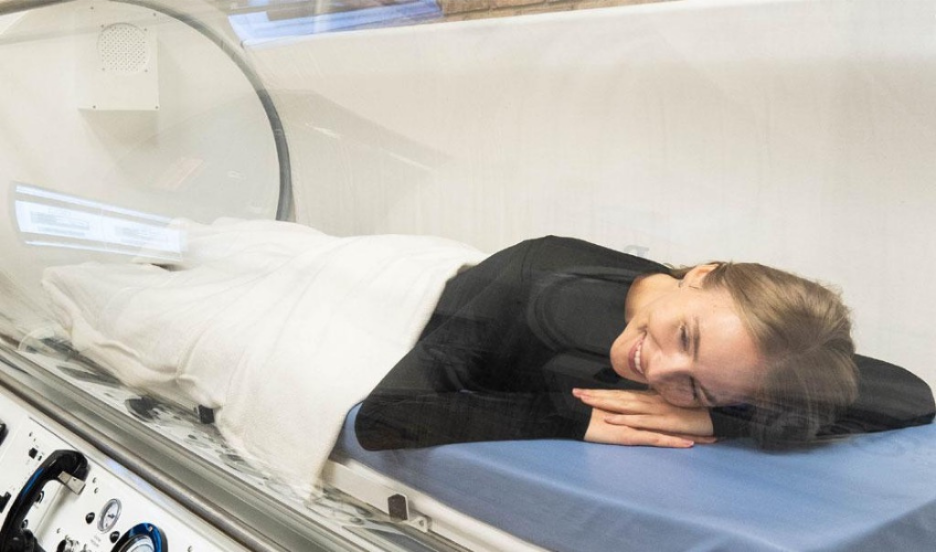
During a session, patients sit or lie comfortably inside a hyperbaric chamber while breathing oxygen under increased pressure. Most individuals remain awake throughout the treatment. Some may notice temporary pressure changes in the ears similar to those experienced during air travel.
Monitoring progress throughout treatment is an important part of care. Repeat hearing evaluations may be performed to assess changes and help guide ongoing recommendations.
Patients considering hyperbaric oxygen therapy Chicago services should discuss expected treatment schedules and follow-up plans with their healthcare team.
Who May Be a Candidate for HBOT?
Hyperbaric oxygen therapy is often discussed as a non-invasive treatment for sudden sensorineural hearing loss, particularly when used alongside standard medical therapies.
Patients who have recently been diagnosed with sudden sensorineural hearing loss may be considered for HBOT, particularly when treatment begins shortly after symptom onset.
Individuals who have not experienced sufficient improvement with steroids alone may also be evaluated for additional therapies, including hyperbaric oxygen therapy.
Physicians consider several factors before recommending treatment. These may include the degree of hearing loss, the time elapsed since symptom onset, medical history, imaging findings, and overall health status.
Not every patient with hearing loss is an appropriate candidate. A careful assessment helps determine whether hearing recovery support with hyperbaric oxygen therapy aligns with the individual’s needs and treatment plan.
Potential Benefits and Limitations
One of the primary reasons patients pursue HBOT for hearing loss is the possibility of hearing improvement. Some individuals experience measurable gains in hearing function, while others may notice more limited changes.
Potential benefits of hyperbaric oxygen therapy for hearing recovery may also include improvements in symptoms such as tinnitus and ear fullness. However, symptom response varies from person to person.
Results differ because SSNHL is not a single disease with a single cause. Factors such as age, severity of hearing loss, timing of treatment, and underlying health conditions can influence recovery.
Understanding realistic expectations is important. While hearing restoration therapy may provide meaningful benefits for some patients, no treatment can guarantee complete hearing recovery. Open communication with healthcare providers can help patients understand the potential advantages and limitations of their specific situation.
Why a Comprehensive Evaluation Matters
Before treatment begins, confirming the diagnosis of SSNHL is an important step. Hearing tests and medical evaluations help distinguish sudden sensorineural hearing loss from other conditions that may cause similar symptoms.
A comprehensive assessment may also identify underlying neurological, vascular, autoimmune, or infectious factors that require additional attention. Understanding these factors can help guide treatment decisions.
Coordination among healthcare providers is often beneficial. ENT specialists, audiologists, and hyperbaric medicine professionals may work together to determine whether HBOT should be incorporated into a broader treatment strategy.
When appropriate, hyperbaric therapy can be combined with other hearing-loss treatments to provide a coordinated approach to care.
Also Read: How Hyperbaric Oxygen Therapy Accelerates Healing for Brain Injury Patients
Conclusion
Sudden sensorineural hearing loss requires prompt medical attention. Because hearing changes can occur rapidly, seeking evaluation as soon as symptoms appear is important.
For select patients, hyperbaric oxygen therapy may be a valuable addition to standard treatments, such as corticosteroids. By increasing oxygen delivery to inner-ear tissues, HBOT has become an important consideration in the management of certain cases of SSNHL.
The importance of early evaluation cannot be overstated. Timely diagnosis, prompt treatment, and careful coordination of care may help maximize the potential for hearing recovery and support long-term hearing health.
Sudden hearing loss can be frightening, but prompt care may make a difference. Contact Chicago Neurological Services to learn more about hyperbaric oxygen therapy and whether it may fit your hearing recovery plan.