
As interest in hyperbaric oxygen therapy continues to grow, more facilities are offering some form of hyperbaric treatment. However, not every chamber provides the same experience or the same type of care. While many wellness centers, med spas, and chiropractic offices advertise hyperbaric services, the equipment and treatment protocols they use are often very different from those found in medical settings.
Understanding the differences between physician-supervised medical-grade HBOT Chicago providers and lower-pressure air chamber systems is important for anyone considering treatment for neurological or medical conditions. The type of chamber, the amount of pressure used, the oxygen delivered, and the level of medical supervision all influence how treatment is administered.
At CNS Brain Center, patients receive medical-grade hyperbaric oxygen therapy in Chicago using hospital-grade equipment under physician supervision.
Why All Hyperbaric Chambers Are Not the Same
Many people assume every hyperbaric chamber works the same way because they all look somewhat similar from the outside. In reality, there are significant differences between medical systems and lower-pressure wellness chambers.
Several factors separate one chamber from another, including:
- Chamber construction
- Internal pressure levels
- Oxygen concentration
- Medical oversight
- Treatment protocols
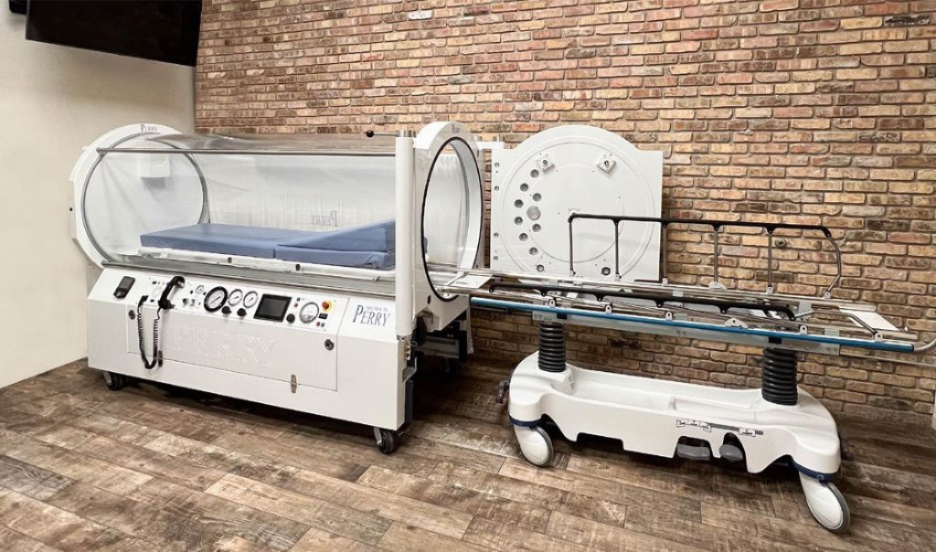
Medical facilities use a medical hyperbaric chamber designed to reach therapeutic pressures while delivering 100% medical-grade oxygen. These chambers are regulated medical devices used under physician direction.
By comparison, many wellness facilities use a soft shell hyperbaric chamber or other lower-pressure systems that compress room air rather than creating the same oxygen-rich treatment environment.
Understanding medical-grade HBOT vs. air chambers begins with recognizing that these differences are not simply about equipment. They influence how treatment is delivered and which patients may be appropriate candidates.
Also Read: Medical Hyperbaric Therapy for Brain Longevity: Why HBOT Is Essential for a Healthy Brain for Life
What Is Medical-Grade Hyperbaric Oxygen Therapy?
How does medical-grade hyperbaric oxygen therapy work?
Medical-grade HBOT places a patient inside a hospital-grade hard shell hyperbaric chamber, where they breathe 100% medical oxygen while the chamber is pressurized to therapeutic levels, generally between 2.0 and 3.0 atmospheres absolute (ATA).
This combination of increased pressure and pure oxygen allows significantly more oxygen to dissolve into the blood plasma than occurs under normal atmospheric conditions
Medical-grade treatment includes:
- Hospital-grade hard shell hyperbaric chamber
- Delivery of 100% medical oxygen
- Therapeutic pressures between 2.0 and 3.0 ATA
- Physician prescription before treatment
- Continuous monitoring during every session
- Individualized treatment protocols based on the patient’s medical condition
Medical-grade hyperbaric chambers also allow physicians to precisely control treatment variables such as chamber pressure, oxygen concentration, session duration, and treatment protocols. This level of control helps ensure that therapy is delivered consistently and can be adjusted based on the patient’s diagnosis, response to treatment, and overall care plan.
This type of oxygen therapy is intended for patients receiving care for medical and neurological conditions under physician supervision rather than general wellness services.
The medical-grade hyperbaric oxygen therapy benefits depend on each patient’s diagnosis and treatment plan, making physician evaluation an important part of the process.
What Are Air (Soft) Hyperbaric Chambers?
Many wellness facilities advertise hyperbaric therapy using a soft shell hyperbaric chamber, sometimes called a mild hyperbaric chamber.
Unlike medical systems, these chambers generally:
- Operate at much lower pressures
- Compress room air instead of creating a fully medical-grade oxygen environment
- Focus on wellness or recovery services
- May not require physician supervision
Although these systems are commonly referred to as hyperbaric chambers, they are fundamentally different from hospital-grade medical equipment.
When discussing how medical-grade HBOT differs from mild hyperbaric therapy, the biggest distinctions involve pressure, oxygen concentration, and medical oversight. These differences are why physician referrals often specify treatment in a medical facility using therapeutic-pressure equipment.
Medical-Grade HBOT vs. Air Chambers: A Side-by-Side Comparison
| Feature | Medical-Grade HBOT | Air (Soft) Chamber |
| Chamber Type | Hard shell hyperbaric chamber | Soft shell hyperbaric chamber |
| Pressure | 2.0–3.0 ATA therapeutic pressure | Lower-pressure mild hyperbaric levels |
| Oxygen | 100% medical oxygen | Compressed room air or lower oxygen concentration |
| Medical Supervision | Physician prescribed and supervised | Varies by facility |
| Patient Monitoring | Continuous monitoring throughout treatment | Varies by provider |
| Treatment Protocols | Based on medical diagnosis | Wellness-focused protocols |
| Intended Use | Medical and neurological treatment | General wellness and recovery |
| Conditions Commonly Treated | Physician-approved medical conditions | Wellness applications |
| Insurance Eligibility | May be covered for qualifying conditions | Typically not covered |
This comparison highlights the differences between a medical hyperbaric chamber vs. soft chamber and why patients should understand which type of treatment they are receiving.
Is Medical-Grade HBOT Better Than a Soft Chamber?
Whether medical-grade HBOT is better than a soft shell hyperbaric chamber depends on why someone is seeking treatment. For patients with neurological or other physician-managed medical conditions, medical-grade treatment offers capabilities that lower-pressure air chambers are not designed to provide.
Medical-grade hyperbaric oxygen therapy is delivered inside a hospital-grade hard shell hyperbaric chamber that reaches therapeutic pressures of 2.0 to 3.0 ATA while delivering 100% medical oxygen. Treatment is prescribed by a physician, follows established medical protocols, and includes continuous patient monitoring throughout each session.
A soft shell hyperbaric chamber, by comparison, typically operates at lower pressures and uses compressed room air. These systems are commonly found in wellness centers, chiropractic offices, and med spas and are generally intended for wellness or recovery services rather than physician-directed medical treatment.
For patients seeking care for conditions that may require physician-supervised HBOT, including certain neurological disorders, stroke recovery, traumatic brain injuries, or other approved medical conditions, a medical evaluation can help determine whether treatment in a medical hyperbaric chamber is appropriate. At CNS Brain Center, patients receive medical-grade hyperbaric oxygen therapy in Chicago using hospital-grade chambers under physician supervision.
Also Read: Clearing the Cloud: How Hyperbaric Oxygen Therapy Helps Combat Brain Fog
Why Pressure and Oxygen Matter
One of the biggest questions patients ask is: Do air chambers provide the same benefits as HBOT?
The answer lies in how pressure and oxygen work together.
Inside a medical-grade chamber, therapeutic pressure allows much larger amounts of oxygen to dissolve into blood plasma. The increased amount of dissolved oxygen can enhance oxygen delivery to tissues beyond what is achieved under normal atmospheric conditions.
Both pressure and oxygen concentration play important roles.
Medical-grade hyperbaric oxygen therapy combines:
- Higher therapeutic pressure
- Pure medical oxygen
- Physician-directed treatment protocols
Lower-pressure air chambers do not create the same treatment environment because they rely primarily on compressed room air rather than the combination of therapeutic pressure and 100% medical oxygen.
For patients wondering whether air chambers are as effective as HBOT, it is important to understand that these are different treatment systems designed for different purposes.
How the Hyperoxic-Hypoxic Paradox Supports Brain Health
Researchers have also identified a biological mechanism known as the hyperoxic-hypoxic paradox (HHP) that may help explain some of the neurological effects observed with physician-directed hyperbaric oxygen therapy. During HBOT, repeated exposure to high oxygen levels followed by a return to normal oxygen conditions creates fluctuations in tissue oxygen that can stimulate cellular pathways typically associated with hypoxia, without actually depriving tissues of oxygen. These responses are thought to promote processes involved in tissue repair, angiogenesis, stem cell activity, and neuroplasticity.
Ongoing research suggests these mechanisms may contribute to improvements in cognitive function in appropriately selected patients receiving medical-grade HBOT, although outcomes vary depending on the individual’s condition and treatment protocol.
Why Physician Supervision Is Essential
Before treatment begins, patients undergo a medical evaluation to determine whether HBOT is appropriate for their condition.
Physician supervision includes:
- Complete medical assessment before treatment
- Individual treatment planning
- Safety screening
- Continuous monitoring during every session
- Coordination with other neurological or medical therapies when appropriate
Medical oversight also allows treatment protocols to be adjusted as patients progress.
Patients searching for who should choose medical-grade HBOT should understand that physician evaluation helps determine whether treatment is appropriate based on medical history, current diagnosis, and overall health.
What Makes CNS Brain Center’s HBOT Program Different?
Not every provider offering hyperbaric therapy delivers the same level of care.
CNS Brain Center provides medical-grade hyperbaric oxygen therapy in Chicago using hospital-grade equipment designed for physician-directed medical treatment.
The program includes:
- Hospital-grade hard shell hyperbaric chamber
- Spacious transparent plexiglass chambers measuring approximately seven feet long and 36 inches wide to help reduce feelings of claustrophobia
- Physician-led treatment plans
- Certified hyperbaric staff
- Continuous patient monitoring
- Open seven days a week
- Insurance accepted for qualifying medical conditions
- One of the only certified non-hospital providers offering medical-grade HBOT Chicago with medical-grade chambers
Patients frequently ask why treatment at a medical center costs more than services advertised by wellness facilities or chiropractic offices. The answer is that physician-supervised medical HBOT uses hospital-grade equipment capable of delivering therapeutic pressure and 100% medical oxygen while following medical protocols and safety standards.
Who Should Consider Medical-Grade HBOT?
What conditions can medical-grade HBOT treat?
The answer depends on an individual’s diagnosis and physician evaluation.
Patients who may benefit from consultation include those experiencing:
- Concussions
- Traumatic brain injuries
- Stroke recovery
- Long COVID
- Certain neurological conditions
- Other physician-approved medical conditions
Patients asking what conditions require medical-grade HBOT should speak with an experienced medical provider who can determine whether treatment is appropriate for their specific situation.
A physician evaluation also helps determine who should choose medical-grade HBOT, since treatment recommendations vary from one patient to another.
Also Read: Hyperbaric Oxygen Stories Long Covid Recovery
Conclusion
As hyperbaric therapy becomes more widely available, it is increasingly important to understand that not every chamber provides the same type of treatment.
The differences between chamber construction, therapeutic pressure, oxygen delivery, physician supervision, and treatment protocols separate medical HBOT from lower-pressure wellness systems. Understanding what is the difference between medical-grade HBOT and air chambers helps patients make informed decisions when exploring treatment.
For individuals seeking physician-directed care, medical-grade hyperbaric oxygen therapy provides hospital-grade equipment, therapeutic oxygen delivery, and continuous medical oversight. Choosing a provider with certified medical-grade chambers is an important consideration for patients seeking treatment for neurological or other physician-approved medical conditions.
Experience Medical-Grade Hyperbaric Oxygen Therapy
If you’re considering HBOT for a neurological or medical condition, the specialists at CNS Brain Center can determine whether medical-grade hyperbaric oxygen therapy is appropriate for your needs and develop an individualized treatment plan using hospital-grade medical chambers. Contact us today.