
If you are considering hyperbaric oxygen therapy, one of the first questions you may have is whether health insurance will help pay for treatment. In some cases, it may. Insurance coverage for HBOT typically depends on the medical condition being treated, whether the therapy meets the insurer’s medical-necessity criteria, and the requirements of the individual health plan.
Coverage can also depend on medical documentation, prior authorization, provider network status, and other plan-specific requirements. Even when HBOT is covered, patients may still be responsible for deductibles, copays, or coinsurance.
It is also important to distinguish physician-prescribed medical HBOT from elective or off-label uses. Insurance coverage generally applies to specific recognized medical indications that meet an insurer’s coverage criteria, rather than every condition for which HBOT may be considered.
For patients considering HBOT in Chicago or River Forest, understanding these distinctions before treatment can make it easier to ask the right questions about coverage and potential costs.
When Does Insurance Cover HBOT?
Insurance may cover hyperbaric oxygen therapy when a physician recommends it for a qualifying medical condition, and the treatment meets the requirements established by the patient’s health plan.
An insurer may consider:
- The patient’s diagnosis
- Whether HBOT is considered medically necessary
- Physician documentation
- Previous treatment history
- Whether prior authorization is required
- Whether the provider and facility participate in the patient’s network
- The number of treatments requested
- The patient’s specific benefits
A physician recommending HBOT does not automatically mean an insurance company will cover it. Insurers may have specific clinical criteria that must be documented before treatment is authorized.
Private insurers maintain their own medical policies, while Medicare has defined national coverage criteria for specific HBOT indications. Patients should verify the requirements that apply to their individual plan before beginning treatment.
Also Read: Medical-Grade HBOT vs. Air Chambers: What’s the Difference?
What Conditions May Qualify for HBOT Insurance Coverage?
Insurance coverage for hyperbaric oxygen therapy is generally associated with established medical indications rather than elective or wellness-focused treatment.
Depending on the insurer and clinical circumstances, medical indications for HBOT can include:
- Certain diabetic lower-extremity wounds
- Delayed radiation tissue injury
- Compromised skin grafts and flaps
- Decompression sickness
- Carbon monoxide poisoning
- Gas embolism
- Certain serious or necrotizing infections
- Chronic refractory osteomyelitis
- Certain acute traumatic injuries
These are examples of established medical uses of HBOT and do not represent a guarantee of insurance coverage. A patient’s diagnosis, clinical circumstances, documentation, insurer, and individual health plan determine whether treatment qualifies.
CNS Brain Center provides physician-led medical HBOT using medical-grade hard chambers. For qualifying medical conditions, the CNS team can also help patients understand the insurance-verification process before treatment begins.
Does Medicare Cover Hyperbaric Oxygen Therapy?
Medicare covers HBOT for specific medical conditions when applicable coverage requirements are met.
The Centers for Medicare & Medicaid Services identifies covered indications that include acute carbon monoxide intoxication, decompression illness, gas embolism, gas gangrene, certain acute traumatic ischemias and crush injuries, progressive necrotizing infections, compromised skin grafts, chronic refractory osteomyelitis, radiation tissue injury, and qualifying diabetic lower-extremity wounds.
Some conditions have additional requirements.
For diabetic lower-extremity wounds, for example, Medicare requires the patient to have Type 1 or Type 2 diabetes with a lower-extremity wound caused by diabetes, a wound classified as Wagner grade III or higher, and failure of an adequate course of standard wound therapy. Medicare coverage for HBOT begins only after there have been no measurable signs of healing for at least 30 days of standard wound treatment.
Medicare coverage does not extend to every reason a patient may seek HBOT. Patients should confirm that their diagnosis and proposed treatment meet the applicable Medicare requirements before assuming treatment will be covered.
What Are the HBOT Insurance Coverage Requirements?
Insurance requirements vary, so it is worth checking coverage before the first treatment rather than waiting for a claim to be processed.
Before beginning HBOT:
- Confirm your diagnosis. Ask your physician which condition HBOT is being recommended to treat.
- Check your insurer’s coverage criteria. Ask whether HBOT is covered for that specific diagnosis.
- Ask what documentation is required. This may include physician notes, imaging, wound-care records, diagnostic reports, or documentation of previous treatment.
- Confirm referral or prescription requirements. These can differ among health plans.
- Ask about prior authorization. Some insurers require approval before HBOT begins.
- Verify network status. Confirm whether the physician and treatment facility participate in your plan.
- Review your financial responsibility. Ask about deductibles, copays, coinsurance, and other potential costs.
- Ask about treatment limits. Coverage may apply to a defined number of sessions or require additional authorization as treatment continues.
For certain conditions, an insurer may require evidence that standard treatment has already been attempted without adequate improvement.
Keep in mind that a service being “covered” does not necessarily mean there will be no cost to you. Your deductible, coinsurance, copay, network benefits, and other plan terms can still affect what you ultimately owe.
What Affects Your Out-of-Pocket Cost for HBOT?
There is no single HBOT cost that applies to every patient. The total expense can depend on the medical indication, number of sessions, treatment protocol, facility, insurance benefits, and whether the provider is in-network.
Your out-of-pocket expenses may include:
- Deductibles
- Copays
- Coinsurance
- Non-covered services
- Out-of-network charges when applicable
- Cash-pay treatment for uses that are not covered by insurance
Some medical conditions require a series of HBOT sessions rather than a single treatment. When discussing costs with your insurer or treatment provider, ask whether an estimate applies to one session or the anticipated course of therapy.
Patients using insurance can also request an estimate of their expected financial responsibility. The final amount, however, may depend on how the claim is processed.
Also Read: The Science of Neuroplasticity: How Hyperbaric Oxygen Repairs the Brain
What Makes CNS Brain Center Different for Medical HBOT?
HBOT is a medical treatment, so the equipment, pressure capabilities, clinical supervision, and treatment environment matter.
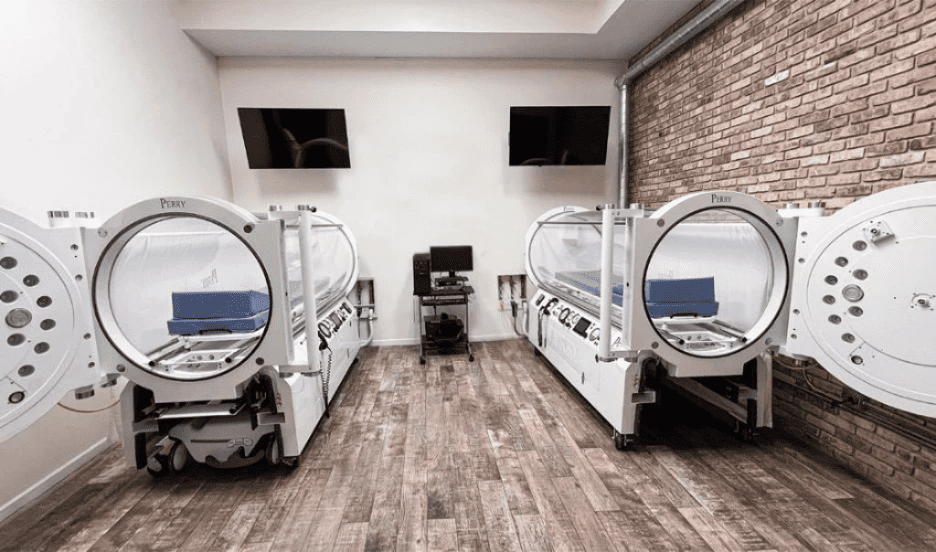
CNS Brain Center provides physician-led hyperbaric medicine using medical-grade hard chambers rather than soft-shell wellness chambers. Its hard chambers deliver 100% oxygen and operate at pressures used for clinical HBOT protocols.
The clear chambers are designed to give patients more visibility outside the chamber during treatment, which may be helpful for people concerned about spending time in an enclosed space. CNS also provides dedicated clinical support for patients undergoing HBOT.
Treatment plans are individualized based on the patient’s condition and medical evaluation rather than using the same protocol for every patient.
For qualifying medical conditions, CNS can assist patients with the insurance-verification process. Cash-pay options may also be available for appropriate off-label uses that are not covered by insurance.
How Can You Check Your HBOT Insurance Coverage?
A good place to start is the member-services number on your insurance card. Have your diagnosis available and make it clear that you are asking about physician-prescribed hyperbaric oxygen therapy.
Ask:
- Is HBOT covered for my specific diagnosis?
- Does my plan require prior authorization?
- Is CNS Brain Center in-network with my plan?
- Do I need a referral or prescription?
- How many treatments may be covered?
- What deductible applies?
- What will my copay or coinsurance be?
- What medical documentation is required?
- Does the plan require previous treatment before HBOT can be authorized?
You can also ask your insurer for the medical policy it uses to determine HBOT coverage.
CNS Brain Center can discuss its insurance-verification process for qualifying medical conditions, but your health plan ultimately determines your benefits, authorization requirements, network coverage, and patient responsibility.
What About Insurance for Off-Label HBOT?
Patients may also encounter HBOT while researching conditions such as concussion, traumatic brain injury, Long COVID-related symptoms, or neurological recovery.
These uses should be distinguished from the established medical indications for which insurance coverage may be available. Research into HBOT for several neurological and post-viral applications continues, and coverage should not be assumed simply because HBOT is being considered.
Patients interested in an off-label use should discuss the available evidence, potential benefits and risks, and whether HBOT is appropriate for their individual circumstances with a qualified physician. They should also ask about cash-pay costs when insurance does not cover the proposed treatment.
Is HBOT Safe, and What Are the Risks?
HBOT is a medical procedure in which patients breathe 100% oxygen inside a chamber pressurized above normal atmospheric pressure. Treatment should be performed with appropriate medical oversight.
Some patients experience temporary pressure or fullness in the ears as the chamber is pressurized. Other potential risks can vary depending on the patient’s health, treatment pressure, medical history, and treatment protocol.
Because HBOT involves high concentrations of oxygen, fire prevention is also an important safety consideration. Medical hyperbaric facilities follow equipment, patient-preparation, monitoring, and fire-safety procedures designed for the treatment environment.
Before HBOT, tell your medical team about your health history, medications, implanted devices, and other medical concerns. Your provider can explain the potential risks and precautions that apply to your individual treatment.
Also Read: Medical-Grade HBOT for Neurodegenerative Conditions
Frequently Asked Questions
Does Insurance Cover HBOT?
Insurance may cover HBOT when it is medically necessary for a qualifying condition and the treatment meets the requirements of the patient’s health plan. Coverage can depend on diagnosis, documentation, prior authorization, provider network status, and individual benefits.
Does Medicare Cover HBOT?
Yes. Medicare covers HBOT for specific medical conditions when its clinical requirements are met. Coverage is not available for every use of HBOT, and certain conditions have additional requirements that must be documented.
How Many HBOT Sessions Does Insurance Cover?
There is no universal number. The number of covered sessions can depend on the diagnosis, treatment plan, insurer, and applicable coverage criteria. Some plans may require additional authorization if treatment continues beyond the initially approved number of sessions.
Does Insurance Cover HBOT for Long COVID, Concussion, or Other Neurological Uses?
Coverage should not be assumed. HBOT for Long COVID-related symptoms, concussion, traumatic brain injury, and certain other neurological applications may be considered off-label, and research continues into these uses. Patients should verify coverage directly with their insurer and discuss the clinical rationale for treatment with their physician.
Is Medical HBOT Different From a Soft Hyperbaric Chamber?
Yes. Medical HBOT typically involves breathing 100% oxygen in a chamber pressurized to levels used for clinical hyperbaric treatment. Soft-shell chambers generally operate at lower pressures and should not be assumed to provide the same treatment or qualify for the same insurance coverage.
How Can I Find Out Whether CNS Brain Center Accepts My Insurance for HBOT?
Contact CNS Brain Center with your insurance information and the condition for which HBOT has been recommended. The team can discuss its insurance-verification process and HBOT services for qualifying medical conditions. Your insurer remains the final source for confirming benefits and patient responsibility.
Understanding Your HBOT Insurance Coverage
Insurance may help pay for hyperbaric oxygen therapy when HBOT is medically necessary for a qualifying condition, and treatment meets the requirements of the patient’s health plan. Diagnosis, medical documentation, prior authorization, network status, treatment limits, and individual benefits can all affect coverage.
CNS Brain Center provides physician-led medical HBOT using medical-grade hard chambers, with individualized treatment protocols and insurance assistance for qualifying medical conditions.
If HBOT has been recommended for you, contact CNS Brain Center to discuss your condition, treatment options, and insurance-verification process before beginning therapy.